Custom Electrical Enclosure Design: Comprehensive Guide to Optimal Solutions
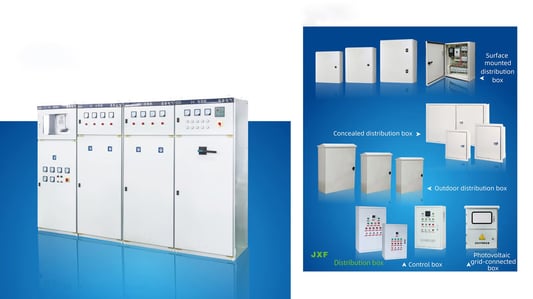
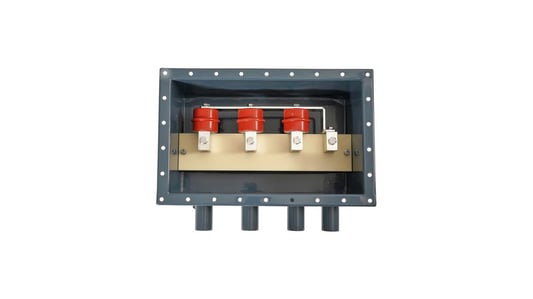
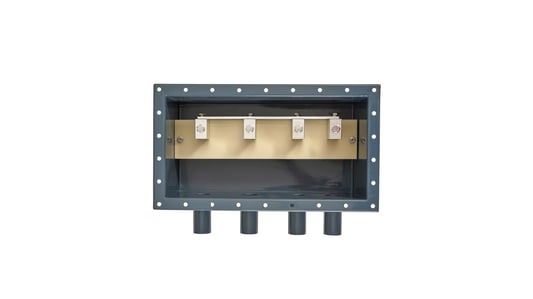
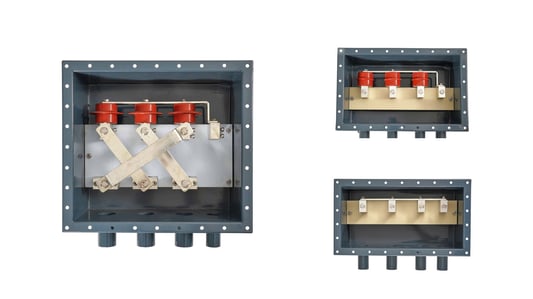
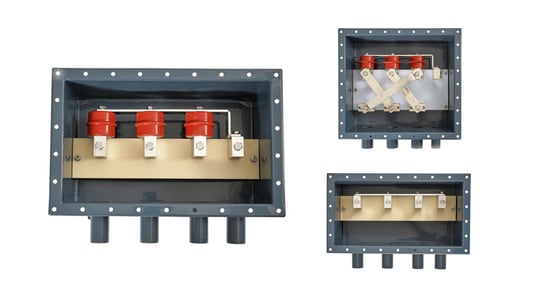
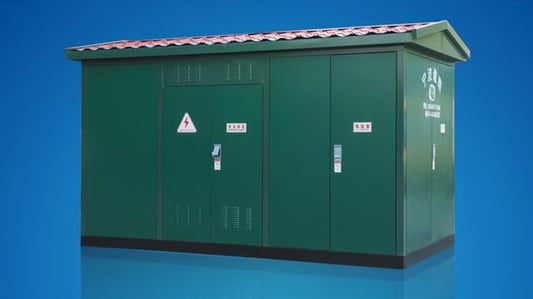
Understanding Custom Electrical Enclosure Design Custom electrical enclosure design involves tailoring protective housings to safeguard electrical and electronic equipment from environmental hazards. Unlike standard enclosures, custom designs provide specific dimensions, materials, and features suited to unique applications. This approach ensures optimal performance, safety, and durability across various industries. Importance of Material Selection in Custom Enclosures Material choice is a critical aspect of custom electrical enclosure design. Common materials include stainless steel, aluminum, fiberglass, and polycarbonate. Each offers distinct advantages such as corrosion resistance, strength, weight, and electrical insulation. Selecting the appropriate material depends on environmental conditions like moisture, chemical exposure, and temperature extremes. Environmental Considerations for Custom Enclosure Design Custom electrical enclosure design must account for environmental factors such as dust, water ingress, UV exposure, and temperature fluctuations. Enclosures often require specific IP (Ingress Protection) ratings to ensure effective sealing. Proper design prevents equipment failure by protecting sensitive components from harsh external conditions and extends system lifespan. Customization Features for Enhanced Functionality Aside from size and shape, customization options include integrated cooling systems, cable management solutions, mounting options, and accessibility features like hinged doors or removable panels. These elements improve usability, facilitate maintenance, and help optimize airflow, preventing overheating within the enclosure. Compliance with Industry Standards and Regulations Custom electrical enclosure design must comply with relevant industry standards such as NEMA, UL, and IEC. These standards define performance criteria for durability, safety, and protection levels. Designing enclosures that meet these certifications ensures regulatory compliance and enhances user confidence in the quality and reliability of the product. Role of Thermal Management in Enclosure Design Thermal management is a vital component of custom electrical enclosure design. Electrical equipment generates heat that, if not properly dissipated, can degrade performance or cause failure. Integrating cooling fans, heat exchangers, or ventilation slots tailored to equipment specifications helps maintain optimal operating temperatures. Incorporating Security Measures into Designs Security is another important consideration in custom electrical enclosure design, especially for installations in public or vulnerable locations. Features such as lockable doors, tamper-resistant screws, and robust hinges protect against unauthorized access and vandalism, ensuring operational integrity and safety. Optimizing Space with Innovative Design Techniques Custom enclosure design allows for efficient use of space, maximizing internal volume while minimizing the external footprint. Designers employ techniques such as nested mounting plates, modular compartments, and multifunctional brackets to accommodate complex wiring and equipment configurations within compact enclosures. Application-Specific Design Benefits Different industries — from telecommunications and medical devices to industrial automation and renewable energy — demand specialized custom electrical enclosure design solutions. Tailoring enclosures to the specific requirements of the application ensures compatibility with operational demands and environmental challenges unique to each sector. Future Trends in Custom Electrical Enclosure Design Emerging trends in custom electrical enclosure design include the integration of smart sensors for real-time monitoring, use of sustainable and lightweight materials, and additive manufacturing techniques such as 3D printing. These advancements improve functionality, reduce production costs, and support evolving technological requirements. Quote Inquirycontact us
READ MORE
Comprehensive Guide to Low Voltage Switchboard Assembly
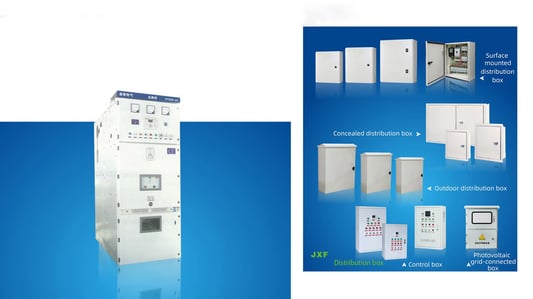
Understanding Low Voltage Switchboard Assembly Low Voltage Switchboard Assembly refers to the systematic process of designing, constructing, and configuring electrical panels that distribute and control electrical power in systems operating at low voltage levels, typically below 1,000 volts. These assemblies are crucial components in industrial, commercial, and residential electrical networks, serving as centralized control points that enhance safety, reliability, and efficiency.Essential Components of Low Voltage Switchboards A typical Low Voltage Switchboard Assembly comprises busbars, circuit breakers, fuses, contactors, meters, relays, and control devices. Each part is strategically integrated to manage electrical flow, protect circuits from overloads, and ensure smooth operation of connected equipment. The quality and compatibility of these components directly impact the performance and longevity of the switchboard.Design Considerations for Optimal Performance Designing an effective Low Voltage Switchboard Assembly involves careful attention to electrical load requirements, physical layout, heat dissipation, and ease of maintenance. Engineers consider factors such as current ratings, voltage levels, fault currents, and environmental conditions to develop a switchboard that meets operational demands while adhering to applicable standards and regulations.Industry Standards and Regulatory Compliance Low Voltage Switchboard Assemblies must comply with stringent international and local standards like IEC 61439, ANSI/IEEE, and NEMA guidelines. These standards govern aspects including electrical safety, mechanical strength, protection levels, and testing protocols. Compliance not only ensures safety but also facilitates interoperability and certification for industrial applications.Manufacturing Processes and Quality Control The manufacturing of Low Voltage Switchboard Assemblies follows precise engineering procedures incorporating automation and manual craftsmanship. Quality control is essential throughout every phase—material selection, assembly, wiring, and testing—to verify functionality, durability, and safety. Rigorous inspections and testing minimize the risks of failure in service environments.Importance of Customization in Low Voltage Switchboards Customization allows Low Voltage Switchboard Assemblies to be tailored to specific project requirements, addressing unique load profiles, environmental factors, and operational preferences. Customized switchboards enhance system integration, improve space utilization, and deliver better performance by aligning closely with the customer’s technical needs.Installation Best Practices Proper installation is critical to the successful operation of Low Voltage Switchboard Assemblies. It includes site preparation, secure mounting, proper grounding, correct cable routing, and adherence to wiring diagrams. Skilled technicians follow installation protocols to prevent electrical hazards, minimize downtime, and ensure ease of future maintenance.Maintenance and Troubleshooting Regular maintenance of Low Voltage Switchboard Assemblies extends equipment life and maintains electrical system reliability. Maintenance tasks include visual inspections, cleaning, tightening connections, and testing protective devices. Troubleshooting common issues such as tripped breakers or faulty contacts requires systematic diagnosis and use of specialized instruments.Role in Energy Efficiency and Sustainability Low Voltage Switchboard Assemblies contribute to energy efficiency by supporting smart monitoring systems, load management, and automated controls. Incorporating energy-saving technologies and high-efficiency components reduces power losses and operational costs. Sustainable design practices also promote environmentally responsible operation and compliance with green building standards.Future Trends in Low Voltage Switchboard Assembly Technological advancements such as digitalization, IoT integration, and use of advanced materials are shaping the future of Low Voltage Switchboard Assemblies. Smart switchboards enable real-time monitoring, predictive maintenance, and enhanced connectivity, paving the way for more intelligent and adaptive electrical distribution systems in industrial and commercial sectors. Quote Inquirycontact us
READ MORE
Comprehensive Guide to Electrical Panel Safety Standards
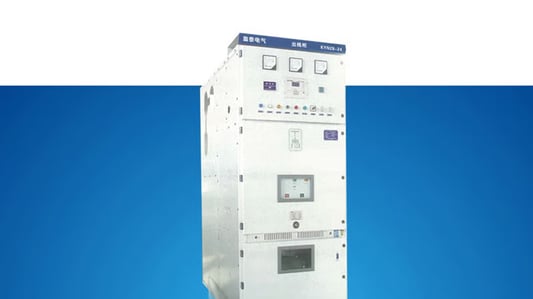
Introduction to Electrical Panel Safety Standards Electrical panel safety standards are essential regulations designed to protect both individuals and property from electrical hazards. These standards govern the design, installation, maintenance, and inspection of electrical panels to ensure they operate safely under various conditions. With the increasing complexity of electrical systems in residential, commercial, and industrial settings, adherence to these safety standards is crucial for minimizing risks such as electrical shock, fires, and equipment failure.Regulatory Bodies Governing Electrical Panel Safety Several authoritative organizations establish electrical panel safety standards globally. Among the most influential are the National Fire Protection Association (NFPA), particularly NFPA 70 (the National Electrical Code), Underwriters Laboratories (UL), and the International Electrotechnical Commission (IEC). These bodies provide guidelines and certifications that ensure electrical panels meet stringent safety requirements, fostering worldwide consistency and reliability in electrical installations.Key Components Covered by Electrical Panel Safety Standards Electrical panel safety standards encompass various components, including circuit breakers, bus bars, enclosures, grounding systems, and wiring methods. Each component must meet specific criteria for material quality, configuration, and durability. Standards often dictate minimum clearance distances, insulation levels, and temperature tolerances to prevent overheating, short circuits, and accidental contact with live parts.Installation Requirements and Best Practices Installation of electrical panels must follow strict parameters outlined in safety standards. This includes correct panel placement with adequate accessibility and clearance for maintenance and emergency shutdowns. Panels must also be securely mounted on non-combustible surfaces, with proper environmental protections such as moisture barriers and ventilation to maintain electrical integrity and prevent corrosion or deterioration.Maintenance and Inspection Protocols Routine maintenance and periodic inspections are foundational to electrical panel safety standards. These protocols help detect signs of wear, corrosion, overheating, or loose connections that could lead to hazardous conditions. Certified electricians are usually required to perform inspections, ensuring panels remain compliant with latest regulations and continue to operate safely over their lifespan.Grounding and Bonding Requirements Grounding and bonding are critical aspects within electrical panel safety standards. Grounding provides a controlled path for electrical currents to prevent shock hazards, while bonding ensures that conductive parts are interconnected to maintain an equipotential system. Proper grounding and bonding mitigate risks of electric shock, equipment damage, and fire caused by stray currents or lightning strikes.Labeling and Documentation Standards Proper labeling of electrical panels is mandated under most safety standards to provide clear identification of circuits, voltage ratings, and hazard warnings. Comprehensive documentation, including wiring diagrams, maintenance logs, and inspection records, supports safe operation and facilitates troubleshooting. Adherence to these labeling and documentation requirements enhances safety awareness and regulatory compliance.Emergency Safety Features and Considerations Electrical panel safety standards often specify the integration of emergency features such as circuit isolation switches, lockout/tagout mechanisms, and arc-fault circuit interrupters (AFCIs). These features allow for rapid disconnection in fault scenarios or during maintenance, greatly reducing the risk of electrical accidents and enhancing protection for personnel and equipment.Impact of Electrical Panel Safety Standards on Insurance and Liability Compliance with electrical panel safety standards directly influences insurance coverage and liability considerations for property owners and contractors. Insurance providers often require proof of adherence to established standards to lower premiums and reduce risk exposure. Failure to meet safety standards can result in denied claims, increased liabilities, or legal consequences in the event of electrical incidents.Future Trends in Electrical Panel Safety Standards As technology advances, electrical panel safety standards continue to evolve. Emerging trends include the incorporation of smart monitoring systems, enhanced thermal sensors, and improved materials to increase safety and operational efficiency. Additionally, sustainability concerns drive updates to standards that encourage energy-efficient designs without compromising safety. Staying informed about these developments ensures ongoing compliance and protection.Quote Inquirycontact us
READ MORE
Comprehensive Insights into Modular Electrical Control Systems
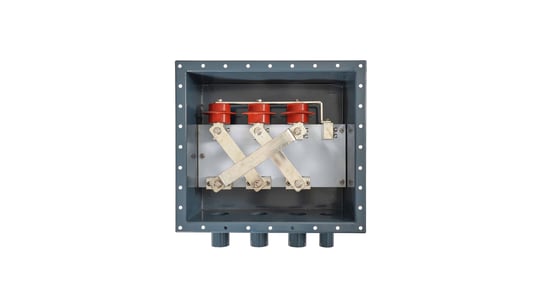
Understanding Modular Electrical Control Systems Modular Electrical Control Systems are innovative solutions designed to enhance the flexibility, scalability, and maintainability of industrial automation and electrical management. By integrating multiple modules that perform distinct functions, these systems enable streamlined control and monitoring of complex electrical operations. Their modular nature allows for easy customization tailored to specific industrial requirements, making them indispensable in modern manufacturing and infrastructure environments.Key Components and Architecture The architecture of Modular Electrical Control Systems typically includes control modules, input/output units, communication interfaces, and power supplies. Each module is responsible for a specific task, such as motor control, signal processing, or safety management. The interconnectivity among these modules relies on standardized communication protocols, ensuring seamless data exchange and synchronization. This modular setup simplifies upgrades and maintenance without disrupting overall system performance.Benefits of Scalability in Modular Systems One of the primary advantages of Modular Electrical Control Systems is their exceptional scalability. Organizations can expand or reduce system capabilities by simply adding or removing modules based on current operational demands. This flexibility minimizes initial investment costs and extends the system’s useful life, allowing for progressive adaptation to evolving industrial requirements without complete system overhauls.Enhanced Reliability and Redundancy Features Modular Electrical Control Systems offer improved system reliability through redundancy. Critical components can be duplicated within separate modules, ensuring continuous operation even if one module fails. This redundancy mitigates downtime and safeguards against failures in high-stakes applications like power generation plants, manufacturing lines, and transportation networks where uninterrupted control is vital.Ease of Maintenance and Troubleshooting Maintaining and troubleshooting Modular Electrical Control Systems is more straightforward compared to traditional monolithic control setups. The modular design allows technicians to isolate and diagnose faults quickly within individual units, reducing repair time. Additionally, faulty modules can be replaced without affecting the entire system, promoting operational continuity and reducing maintenance costs.Integration with Advanced Automation Technologies Modular Electrical Control Systems are highly compatible with advanced automation technologies such as programmable logic controllers (PLCs), human-machine interfaces (HMIs), and IoT devices. This integration facilitates real-time data collection, analytics, and remote control capabilities, thereby enhancing overall system intelligence and decision-making processes in industrial plants.Energy Efficiency and Cost Savings Incorporating Modular Electrical Control Systems contributes significantly to energy efficiency. Their precise control mechanisms allow for optimized operation of motors, lighting, and other electrical equipment, reducing energy wastage. Moreover, the modular approach limits unnecessary overprovisioning, resulting in cost savings not only through energy bills but also via lower installation and upgrade expenses.Industry Applications and Use Cases Modular Electrical Control Systems are utilized across diverse industries including manufacturing, oil and gas, automotive, and infrastructure. In manufacturing plants, they govern machinery and assembly lines with high precision. Within oil and gas, these systems ensure safety and efficiency in hazardous environments. Their adaptability makes them suitable for custom configurations demanded by various sector-specific processes.Compliance with Safety and Regulatory Standards Ensuring compliance with safety and regulatory standards is a critical aspect of Modular Electrical Control Systems. These systems are often engineered to meet international certifications such as IEC, UL, and NEC. Modular design aids in implementing safety features such as emergency stops, overload protection, and fault isolation in a cost-effective and modular manner, thereby adhering to stringent safety protocols.Future Trends and Innovations The future of Modular Electrical Control Systems points toward increased integration with artificial intelligence, enhanced wireless communication, and smarter predictive maintenance tools. Advances in modular hardware and software are expected to offer even greater customization and interoperability. The ongoing evolution supports the growing demand for Industry 4.0-ready electrical control solutions that provide agility and intelligence for tomorrow’s industrial landscapes.Quote Inquirycontact us
READ MORE
Managing Electrical Potential Differences: A Comprehensive Guide
Understanding Electrical Potential DifferencesElectrical potential difference is the force that moves electrical charges through a circuit. It is essential to comprehend this concept when working with electricity to prevent accidents and ensure efficiency in electrical systems.Importance of Managing Electrical Potential DifferencesProper management of electrical potential differences is crucial for maintaining the stability and safety of electrical systems. Failure to manage potential differences can result in short circuits, electrical fires, and equipment damage.Identifying Potential Difference SourcesPotential differences can arise from various sources, including batteries, power supplies, and generators. It is essential to identify these sources to determine the voltage levels and potential risks associated with each source.Measuring Electrical Potential DifferencesMeasuring potential differences is done using a voltmeter, a device designed to measure the voltage between two points in an electrical circuit. It is vital to use the appropriate type of voltmeter to obtain accurate measurements.Factors Affecting Electrical Potential DifferencesSeveral factors can influence electrical potential differences, such as the type of conductor, resistance, and the presence of external factors like humidity and temperature. Understanding these factors is crucial for effective management.Managing Potential Differences in Series CircuitsIn series circuits, managing potential differences involves ensuring that the total voltage across the circuit equals the sum of the individual voltages. Balancing potential differences in series circuits is essential for proper functioning.Managing Potential Differences in Parallel CircuitsIn parallel circuits, potential differences must be consistent across all branches to prevent unequal current flow. Proper management of potential differences in parallel circuits is crucial for maintaining balance and efficiency.Preventing Potential Difference OverloadAn overload of potential difference can lead to circuit damage and pose a safety hazard. It is essential to implement protective measures, such as circuit breakers and fuses, to prevent potential difference overload.Ensuring Proper Grounding for Managing Potential DifferencesProper grounding is essential for managing potential differences effectively. Grounding provides a path for excess electrical charges to dissipate safely, reducing the risk of potential difference issues.Regular Maintenance for Managing Potential DifferencesRegular maintenance of electrical systems is crucial for managing potential differences and ensuring long-term stability. Inspecting circuits, checking for loose connections, and replacing worn-out components are essential practices for maintaining electrical safety.Quote Inquirycontact us
READ MORE
Ground Loop Interference Mitigation: Techniques and Strategies
Understanding Ground Loop InterferenceGround loop interference is a common issue in audio and video systems, causing unwanted noise and distortion. Causes of Ground Loop InterferenceGround loop interference is typically caused by multiple devices being connected to different ground points, creating a loop that can pick up electrical noise.Effects of Ground Loop InterferenceThe effects of ground loop interference can be seen and heard as noise, hum, or distortion in audio or video signals.Isolation TransformersOne effective way to mitigate ground loop interference is by using isolation transformers to break the ground connection between devices.Ground Loop IsolatorsGround loop isolators are devices specifically designed to eliminate ground loop interference by isolating the audio or video signal.Proper Grounding TechniquesEnsuring that all devices are properly grounded can also help mitigate ground loop interference by minimizing differences in ground potential.Using Balanced ConnectionsBalanced audio connections can help reduce the effects of ground loop interference by canceling out any noise picked up along the cable.Grounding ShieldsAdding grounding shields to cables can help prevent the transmission of unwanted noise and interference, further reducing the impact of ground loop interference.Equipment PlacementCareful placement of equipment can also play a role in reducing ground loop interference, as keeping devices away from power sources can help minimize electrical noise.Regular MaintenanceRegular maintenance and inspection of cables, connections, and grounding points is essential to ensure that ground loop interference is kept to a minimum.Quote Inquirycontact us
READ MORE
The Importance of Multi-Point Grounding System Integrity
Understanding Multi-Point Grounding Systems Multi-point grounding systems are crucial in ensuring the safety and reliability of electrical systems. These systems consist of multiple ground points that are strategically placed throughout a facility to prevent electrical malfunctions and hazards. Ensuring Electrical Safety By maintaining the integrity of a multi-point grounding system, companies can minimize the risk of electrical shocks, fires, and equipment damage. Proper grounding also helps protect workers and equipment from transient voltage and electromagnetic interference. Preventing Grounding System Failures Regular inspections and maintenance are essential to prevent grounding system failures. A comprehensive testing program can detect issues such as corrosion, loose connections, and inadequate grounding, ensuring the system's continued effectiveness. Benefits of a Well-Maintained System A well-maintained multi-point grounding system can lead to increased operational efficiency, reduced downtime, and cost savings. Companies that prioritize system integrity are better equipped to comply with safety regulations and industry standards. Common Challenges and Solutions Challenges such as improper installation, environmental factors, and equipment changes can compromise the integrity of a grounding system. Implementing regular training, conducting audits, and using quality materials are essential solutions to address these challenges. Industry Best Practices Following industry best practices is crucial for optimizing the performance of a multi-point grounding system. This includes using appropriate grounding techniques, conducting regular testing, and establishing clear maintenance procedures. Integration with Other Safety Measures Integrating a multi-point grounding system with other safety measures, such as surge protection devices and ground fault circuit interrupters, can provide comprehensive protection against electrical hazards. This layered approach enhances overall system reliability. Training and Education Proper training and education for employees on the importance of Multi-Point Grounding System Integrity are essential. Awareness of safety protocols, identification of warning signs, and prompt reporting of issues can help prevent accidents and system failures. Regulatory Compliance Adhering to relevant safety regulations, codes, and standards is critical for maintaining multi-point grounding system integrity. Regulatory compliance demonstrates a commitment to safety and ensures that systems are properly installed, maintained, and tested. Continuous Improvement Implementing a culture of continuous improvement is essential for enhancing multi-point grounding system integrity. By seeking feedback, analyzing performance data, and implementing proactive measures, companies can continuously optimize their grounding systems for maximum effectiveness.Quote Inquirycontact us
READ MORE
Signal Reference Grid Optimization: Maximizing Efficiency and Performance
Understanding Signal Reference Grid OptimizationSignal Reference Grid Optimization is a crucial aspect of telecommunications infrastructure. It involves the strategic placement and configuration of signal reference grids to improve network performance and efficiency.Importance of Signal Reference Grid OptimizationOptimizing signal reference grids plays a key role in ensuring reliable and high-quality communication services. By fine-tuning the grid layout and parameters, telecommunications companies can minimize signal interference and enhance network stability.Benefits of Optimizing Signal Reference GridsEffective Signal Reference Grid Optimization leads to increased data transmission speeds, improved coverage, and reduced latency. This results in better overall user experience and higher customer satisfaction.Factors to Consider in Signal Reference Grid OptimizationWhen optimizing signal reference grids, several factors must be taken into account, including signal strength, frequency bands, geographical features, and potential sources of interference. By analyzing these factors, telecom providers can design an efficient grid layout.Techniques for Signal Reference Grid OptimizationThere are various techniques used in Signal Reference Grid Optimization, such as network planning tools, advanced algorithms, and predictive modeling. These tools help telecom engineers make informed decisions to optimize grid performance.Challenges in Signal Reference Grid OptimizationOne of the main challenges in Signal Reference Grid Optimization is balancing the conflicting requirements of signal coverage and signal quality. Engineers must find the optimal balance to ensure seamless network operation.Continuous Monitoring and AdjustmentSignal Reference Grid Optimization is an ongoing process that requires continuous monitoring and adjustment. Telecom operators need to regularly evaluate network performance and make necessary changes to maintain optimal grid efficiency.Future Trends in Signal Reference Grid OptimizationAs technology advances, Signal Reference Grid Optimization will continue to evolve. New solutions, such as artificial intelligence and machine learning algorithms, are being implemented to further enhance grid optimization efficiency.Case Studies in Signal Reference Grid OptimizationSeveral telecom companies have successfully implemented Signal Reference Grid Optimization strategies to improve their network performance. These case studies serve as examples of how effective grid optimization can lead to significant improvements in service quality.ConclusionIn conclusion, Signal Reference Grid Optimization is a critical component of modern telecommunications infrastructure. By strategically optimizing signal reference grids, telecom providers can maximize network efficiency, improve user experience, and stay ahead in a competitive market.Quote Inquirycontact us
READ MORE
The Ins and Outs of Transient Voltage Spike Dissipation
The Basics of Transient Voltage Spike DissipationTransient voltage spikes are sudden, short-lived increases in voltage that can cause damage to electronic devices. Dissipation refers to the process of reducing or eliminating these spikes before they can harm the sensitive components within a system.Understanding the Causes of Transient Voltage SpikesTransient voltage spikes can be caused by a variety of factors, including lightning strikes, power surges, and switching transients. These spikes can enter a system through power lines, communication lines, or even through the ground.The Role of Transient Suppressors in DissipationTransient suppressors, such as metal oxide varistors (MOVs) or diodes, are commonly used to dissipate transient voltage spikes. These devices divert excess energy away from sensitive components, protecting them from damage.Effective Transient Voltage Spike Dissipation TechniquesProper grounding and shielding techniques are essential for effective transient voltage spike dissipation. Additionally, surge protectors and voltage regulators can help mitigate the impact of spikes on electronic systems.Benefits of Transient Voltage Spike DissipationProtecting electronic devices from transient voltage spikes can extend their lifespan and prevent costly repairs or replacements. By implementing proper dissipation techniques, businesses and individuals can avoid downtime and maintain productivity.The Importance of Surge Protection DevicesSurge protectors are key components in any transient voltage spike dissipation strategy. These devices detect spikes in voltage and divert excess energy to protect connected equipment.Common Applications of Transient Voltage Spike DissipationTransient voltage spike dissipation is crucial in many industries, including telecommunications, power distribution, and automotive. Any system that relies on electronic components can benefit from protection against voltage spikes.Challenges in Transient Voltage Spike DissipationOne of the main challenges in transient voltage spike dissipation is the unpredictable nature of spikes. Designing robust protection systems that can handle a wide range of potential spikes is essential for effective dissipation.Future Trends in Transient Voltage Spike DissipationAdvancements in technology are leading to more sophisticated methods of transient voltage spike dissipation. From smart surge protectors to automated monitoring systems, the future of dissipation is focused on proactive protection.ConclusionTransient voltage spikes pose a significant threat to electronic devices, but with the right dissipation techniques in place, these spikes can be effectively mitigated. By understanding the causes, implementing proper protection measures, and staying updated on the latest trends, businesses and individuals can safeguard their equipment and ensure uninterrupted operation.Quote Inquirycontact us
READ MORE