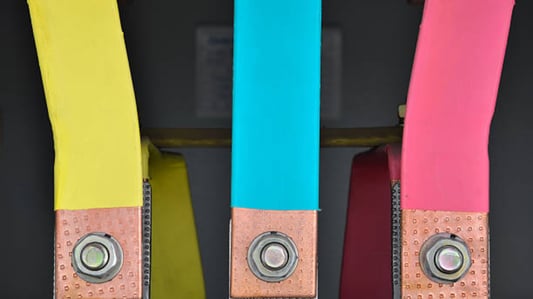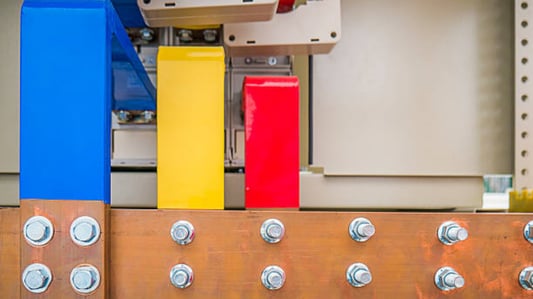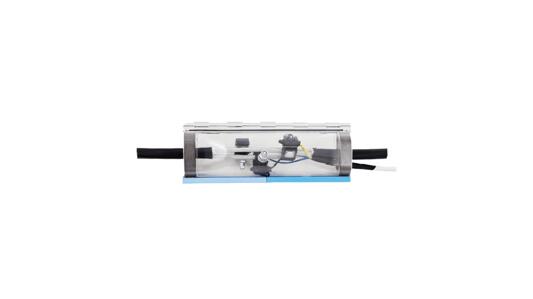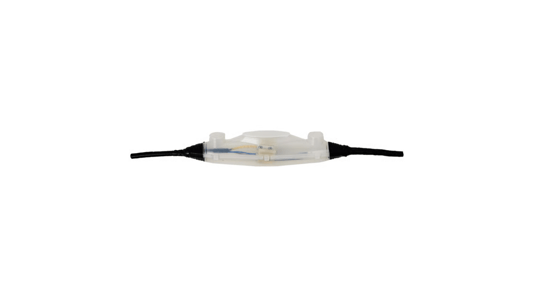
Understanding the Importance of Busbar Casing DurabilityBusbar casings play a critical role in safeguarding electrical busbars from environmental damage, mechanical impacts, and corrosion. Ensuring their durability extends the lifespan of electrical installations and enhances safety. Busbar Casing Durability Tips focus on maintaining structural integrity and protecting conductive components, thereby preventing system failures and costly repairs.Material Selection for Enhanced DurabilityChoosing the right material for busbar casings is fundamental to durability. High-quality materials such as PVC, fiberglass, or powder-coated steel offer resistance against moisture, UV radiation, and chemical exposure. Selecting materials tailored to specific environmental conditions ensures longer-lasting protection and reduces the need for frequent replacements.Implementing Proper Installation TechniquesCorrect installation techniques significantly contribute to busbar casing durability. Ensuring casings are securely fastened, properly aligned, and free from mechanical stress prevents premature wear and damage. Using suitable mounting hardware and following manufacturer guidelines helps maintain casing stability and performance over time.Environmental Considerations for Busbar CasingsEnvironmental factors such as temperature fluctuations, humidity, and exposure to corrosive substances directly affect busbar casing longevity. Applying protective coatings and selecting weather-resistant casings based on anticipated conditions play a vital role in mitigating environmental impact, thereby preserving casing durability.Routine Inspection and Maintenance PracticesRegular inspections are essential for spotting early signs of wear or damage to busbar casings. Maintenance activities, including cleaning debris, checking for corrosion, and tightening fittings, extend casing life. Implementing a schedule for routine maintenance ensures ongoing protection and operational reliability.Protection Against Mechanical Stress and ImpactBusbar casings must withstand mechanical stresses such as vibrations, shocks, and accidental impacts. Incorporating shock-absorbing mounts and protective barriers reduces the risk of physical damage. Reinforcing casings in high-traffic or industrial areas is a practical busbar casing durability tip to prevent mechanical degradation.Effective Sealing to Prevent Moisture IngressMoisture intrusion is a common cause of busbar casing deterioration. Using high-quality gaskets, seals, and sealants ensures casings remain watertight, protecting internal components from corrosion and electrical faults. Proper sealing techniques are key busbar casing durability tips to maintain performance in damp or humid environments.Temperature Management for Prolonged LifespanExcessive heat can compromise busbar casing materials and reduce their lifespan. Adequate ventilation, heat sinks, or cooling systems prevent overheating, thus preserving casing integrity. Monitoring temperature levels and using materials with high thermal resistance are effective strategies to enhance busbar casing durability.Corrosion Prevention StrategiesCorrosion presents a significant threat to busbar casing durability, especially in industrial or coastal environments. Applying anti-corrosive paints, galvanization, or corrosion inhibitors extends casing life. Selecting corrosion-resistant materials and performing timely treatments are practical busbar casing durability tips to mitigate rust and degradation.Upgrading and Retrofitting for LongevitySometimes, upgrading or retrofitting existing busbar casings with improved materials or designs enhances durability. Modern casings often come with advanced protective features and better resistance to environmental stressors. Periodic evaluations and upgrades as part of a maintenance plan help sustain busbar casing effectiveness over time.Quote Inquirycontact us