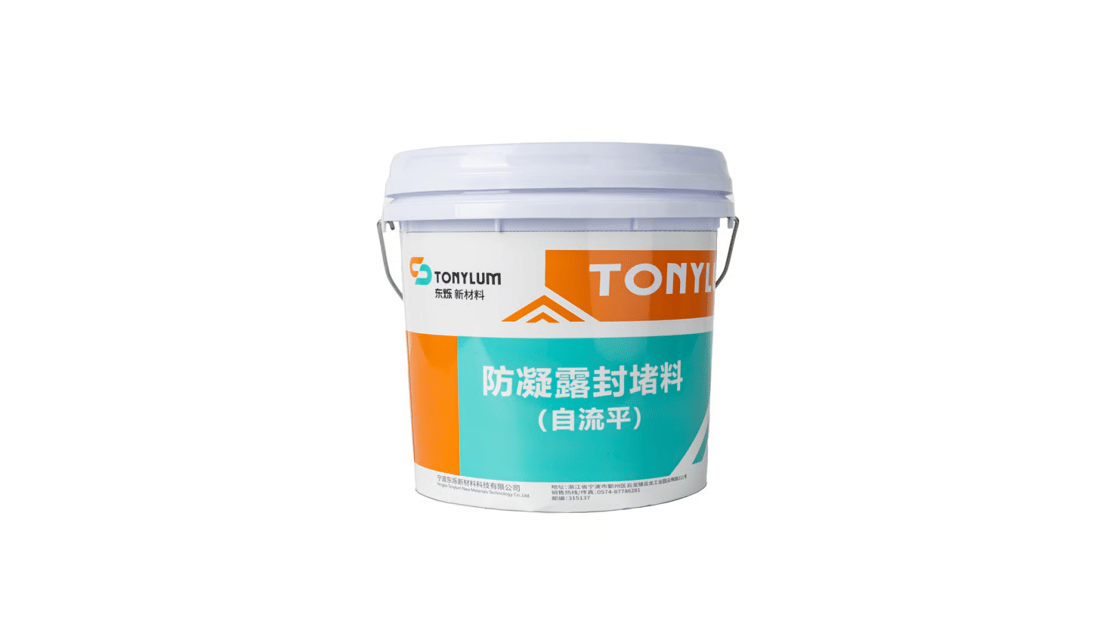
Anti condensation sealing material - self leveling is designed to prevent moisture buildup on surfaces prone to condensation. By creating an airtight barrier, these materials effectively minimize water vapor penetration, which often leads to mold and structural damage. Their self leveling property ensures even application and optimal sealing performance, especially on uneven surfaces.
Key Characteristics of Self Leveling Anti Condensation Sealants
Self leveling anti condensation sealing materials possess unique rheological properties that allow them to flow smoothly into gaps and crevices. This characteristic ensures complete coverage without air pockets or voids. Additionally, their flexibility accommodates surface movement, preventing cracks and maintaining an effective moisture barrier.
Applications in Building and Construction
In the construction industry, anti condensation sealing material - self leveling is widely used in window frames, curtain wall joints, HVAC units, and cold storage facilities. Its ability to adapt to irregular joints and seams reduces condensation risks, thus extending the lifespan of building components and enhancing indoor air quality.
Material Composition and Durability
These sealing materials often comprise high-grade polymers, silicone, or polyurethane blends formulated for moisture resistance and durability. Their chemical composition is specifically engineered to resist degradation caused by temperature extremes, UV exposure, and chemical contact, ensuring long-term performance in demanding environments.
Benefits for Energy Efficiency
By preventing condensation, self leveling anti condensation sealing materials contribute to improved thermal insulation in buildings. This reduces the likelihood of heat loss due to moisture accumulation, helping maintain consistent indoor temperatures and lowering energy consumption for heating and cooling systems.
Installation Techniques and Best Practices
Proper installation of anti condensation sealing material - self leveling requires surface preparation to ensure cleanliness and dryness. The self leveling nature simplifies application, often using cartridges or pourable forms. Careful attention during curing periods is essential to achieve a seamless, lasting seal that resists moisture infiltration.
Compatibility with Various Building Materials
Self leveling anti condensation sealants are compatible with a range of substrates including metal, glass, concrete, and wood. Their adhesion properties are tailored to bond firmly without causing substrate damage or staining. This versatility makes them ideal for diverse construction and renovation projects.
Environmental and Safety Considerations
Many modern anti condensation sealing materials incorporate low-VOC (volatile organic compounds) formulations to minimize environmental impact and improve indoor air quality. Additionally, these materials comply with industry safety standards, ensuring safe handling and reduced exposure risks during application.
Maintenance and Longevity
With proper installation, self leveling anti condensation sealing materials require minimal maintenance. Their durable composition resists cracking, shrinking, or peeling over time. Regular inspections can identify any compromised areas early, preserving the sealant’s protective function and preventing costly repairs.
Future Trends in Anti Condensation Technology
Advancements in nanotechnology and smart materials are shaping the future of anti condensation sealing. Innovations aim to enhance self leveling sealants' responsiveness to environmental changes, improve sustainability, and incorporate antimicrobial properties that prevent microbial growth in humid conditions.
Quote Inquiry
contact us