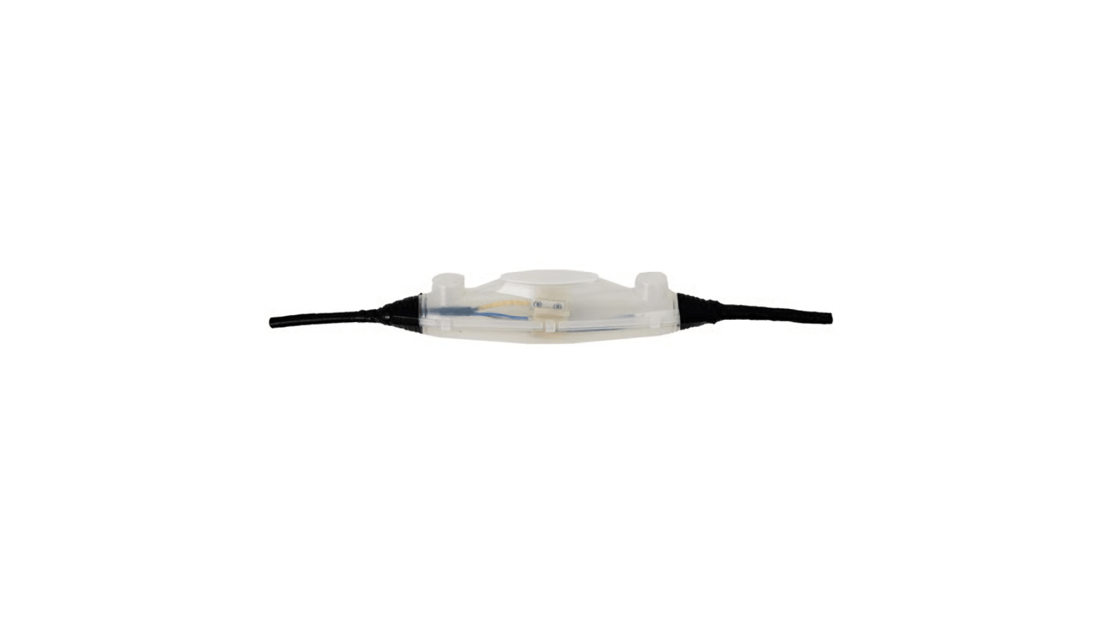
Understanding the Role of Straight-through Junction Boxes
Straight-through junction boxes serve as critical connection points that facilitate the seamless routing of electrical cables in various installations. Unlike other junction boxes designed for branching or angular connections, straight-through junction boxes enable the direct continuation of cables. This role ensures efficient cable management, reduces signal loss, and provides a protective enclosure for electrical connections.
Key Features and Design Elements
A straight-through junction box is typically designed with a robust, weatherproof housing that safeguards internal components against dust, moisture, and mechanical damage. Common materials include durable plastics and metal alloys suited for indoor and outdoor applications. Their straightforward linear design allows cables to pass straight through, minimizing bends and potential stress points on the wiring.
Importance in Electrical and Telecommunication Networks
Straight-through junction boxes and accessories are indispensable in electrical distribution, data communication, and fiber optic networks. They facilitate organized cable runs and serve as a maintenance point for troubleshooting and repairs. These boxes contribute to system reliability by ensuring connections remain intact under various environmental and load conditions.
Types of Accessories for Straight-through Junction Boxes
Accessories complement straight-through junction boxes to enhance functionality. These include cable glands for secure cable entry, terminal blocks for wire connections, grounding kits for safety, and splice trays for fiber optic cables. Each accessory is selected based on specific installation requirements to optimize performance and durability.
Materials and Durability Considerations
The materials used in straight-through junction boxes and accessories profoundly impact their lifespan and suitability for different environments. UV-resistant plastics are favored for outdoor use, preventing degradation from sun exposure. Corrosion-resistant metals such as stainless steel are chosen for harsh industrial sites to withstand chemical exposure and extreme weather conditions.
Installation Practices and Best Techniques
Proper installation of straight-through junction boxes requires careful planning to maintain cable integrity and ensure compliance with electrical codes. Installers must avoid sharp bends, secure cables firmly using appropriate glands, and verify waterproof seals. The correct installation of accessories is equally important to maintain the overall system’s safety and functionality.
Applications Across Various Industries
Straight-through junction boxes and accessories have widespread applications across residential, commercial, industrial, and telecommunication sectors. In residential settings, they help manage wiring in walls and ceilings, while in industrial environments, they aid in controlling complex electrical circuitry. They also play a pivotal role in telecom infrastructure for network continuity.
Maintenance and Troubleshooting Benefits
These junction boxes simplify maintenance tasks by providing accessible points for inspection and wire testing without dismantling large cable sections. Easy access helps in quick fault detection and resolution, minimizing downtime. Accessories like terminal blocks and splice trays further aid in organized repairs and upgrades.
Cost-effectiveness and Return on Investment
Using straight-through junction boxes and the right accessories can significantly reduce long-term maintenance costs by preventing cable damage and electrical faults. Their durable construction translates to fewer replacements, while simplified installation and maintenance contribute to overall operational efficiency and budget savings.
Future Trends and Innovations
Advancements in materials science and smart technology integration are shaping the future of straight-through junction boxes and accessories. Innovations include smarter monitoring capabilities embedded within junction boxes and the use of eco-friendly materials. These developments aim to enhance functionality, safety, and sustainability in electrical and communication infrastructures.
Quote Inquiry
contact us