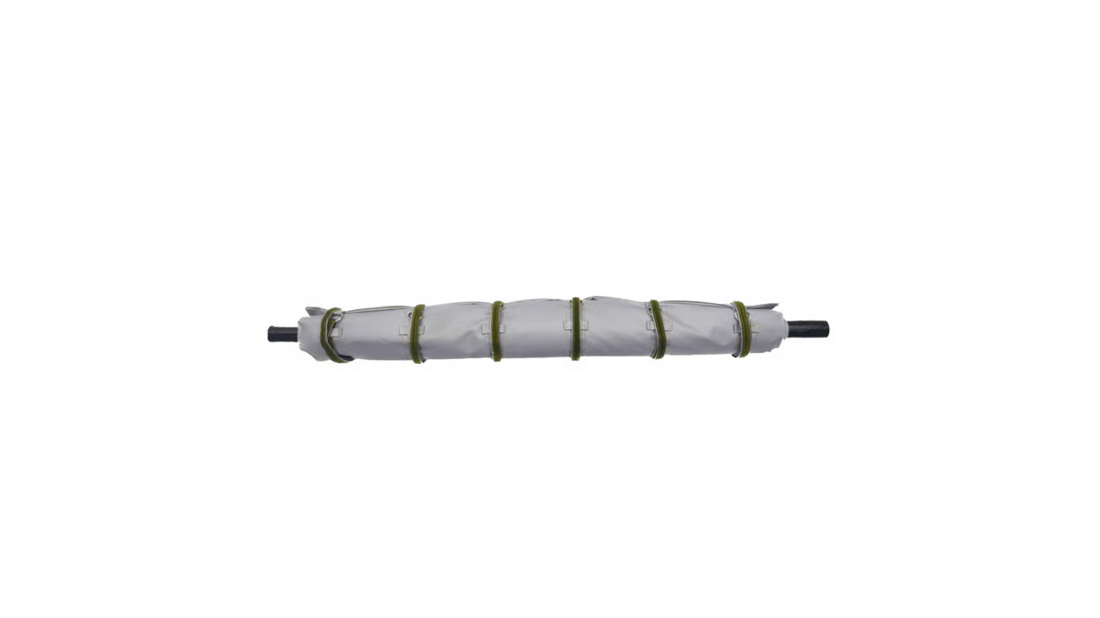
An explosion-proof blanket is a specialized safety device designed to contain and suppress explosions or fires in industrial and hazardous environments. Made from high-temperature, flame-retardant materials such as fiberglass or Kevlar, these blankets act as a barrier to prevent or minimize damage caused by violent combustion events. They are typically deployed to smother sparks, blasts, or flying debris generated during accidental explosions.
Materials and Construction of Explosion-Proof Blankets
Explosion-proof blankets are constructed using durable, heat-resistant fibers capable of withstanding extreme temperatures. Common materials include woven fiberglass coated with silicone or neoprene to enhance durability, flexibility, and chemical resistance. The fabric layers are engineered to prevent tearing or burning during explosions, while providing adequate weight and density to contain flames and shrapnel effectively. Reinforced edges and grommets allow secure fastening for versatile applications.
Primary Uses in Industrial Safety
These blankets are widely used in industries such as oil and gas, chemical manufacturing, and metalworking where explosion risks are elevated. They serve to shield personnel and critical equipment from the effects of explosion, including thermal radiation and flying fragments. Additionally, explosion-proof blankets are installed over pipelines, valves, or machinery vulnerable to spark-induced ignition, thereby reducing fire hazards significantly.
Deployment in Emergency Situations
In emergencies, explosion-proof blankets can be rapidly deployed to contain sudden fires or blasts. Their lightweight but sturdy design allows for quick wrapping around an equipment or area at risk. Emergency teams often use these blankets to isolate flammable gases, chemical spills, or to safely extinguish small fires caused by sparks or electrical faults. Proper training ensures effective use when seconds count.
Compliance with Safety Standards
Explosion-proof blankets must comply with stringent international safety standards, including those set by OSHA, NFPA (National Fire Protection Association), and ATEX directives within the European Union. These certifications guarantee that the blankets meet requirements for flame resistance, tensile strength, and thermal insulation. Organizations rely on compliant explosion-proof blankets to meet workplace safety regulations and minimize liability.
Advantages Over Other Fire Suppression Tools
Unlike traditional fire extinguishers or sprinkler systems, explosion-proof blankets provide a physical shield that directly contains ignition sources. They do not rely on chemical agents or water, which may be unsuitable in certain industrial contexts. Their reusable nature and ease of maintenance further contribute to cost-effectiveness. Additionally, explosion-proof blankets eliminate the risk of spreading contaminants often caused by suppressant dispersal.
Installation and Maintenance Guidelines
Proper installation of explosion-proof blankets requires ensuring a complete seal around hazardous equipment and securing with fasteners or straps. Regular inspections are critical to assess for wear, tears, or contamination that could compromise blanket integrity. Cleaning protocols typically involve removing dust and debris with non-abrasive methods. Routine maintenance extends the lifespan and ensures operational readiness when explosions occur.
Customization and Size Variations
Explosion-proof blankets are available in multiple sizes and can be custom-fabricated to fit irregular shapes or large machinery. Customization options include added coatings for chemical resistance, improved mechanical strength, or fire retardancy tailored for specific industry threats. These variations enhance versatility and provide optimal protection tailored to unique industrial hazards.
Technological Innovations Enhancing Safety
Recent advancements in explosion-proof blanket technology include integrating thermal sensors and heat-reflective coatings to improve early detection and resistance. Nanotechnology applications have introduced lighter, stronger composite fibers that enhance blast containment without adding excessive weight. Such innovations increase effectiveness while maintaining user-friendly handling.
Future Trends and Growing Demand
As industrial operations become more complex and safety regulations tighten globally, demand for reliable explosion-proof blankets is expanding. Emerging markets and industries focusing on renewable energy also adopt these blankets to address new explosion risks. The trend toward smarter safety solutions combining traditional blankets with electronic monitoring highlights a promising future for explosion risk mitigation.
Quote Inquiry
contact us