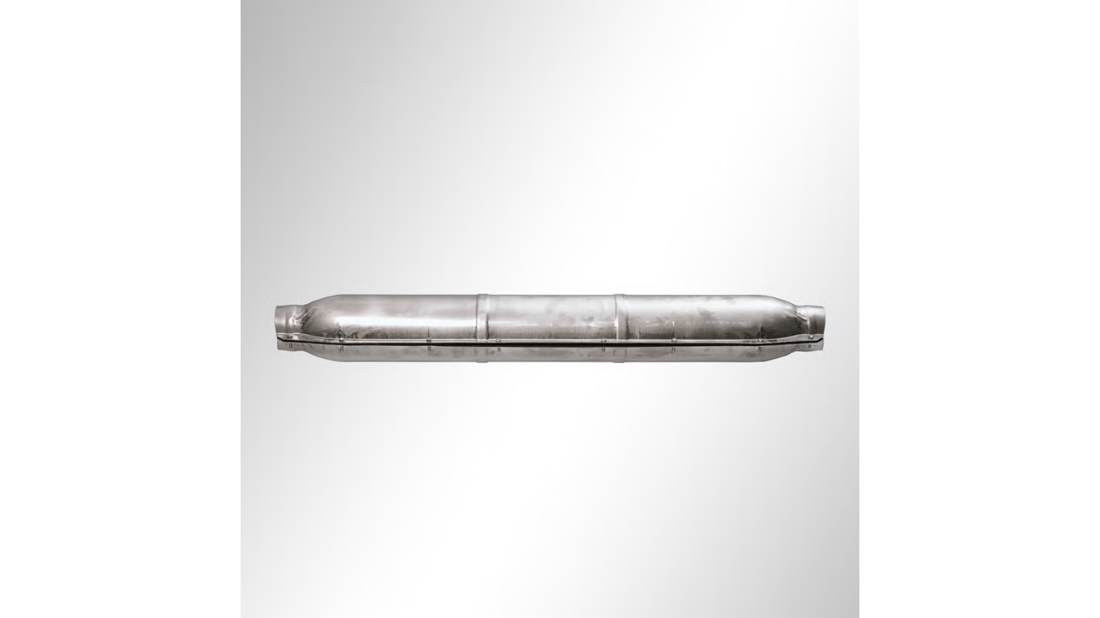
Stainless steel explosion-proof housing is a specialized enclosure designed to protect electrical and mechanical equipment in hazardous environments. These housings prevent ignition sources from causing explosions by containing any sparks or flames generated within. The robust nature of stainless steel adds durability, corrosion resistance, and long-term reliability, making it an ideal material for explosion-proof applications across industries.
Material Advantages of Stainless Steel in Explosion-Proof Housing
Stainless steel offers exceptional strength and resistance to corrosion, which is vital in harsh industrial settings such as chemical plants, oil refineries, and offshore platforms. Its resistance to rust and chemicals ensures the explosion-proof housing maintains integrity over time, even under exposure to moisture, acids, or extreme temperatures. This durability directly reduces maintenance costs and extends operational life.
Key Safety Standards and Certifications
Stainless steel explosion-proof housings must comply with internationally recognized safety standards such as ATEX, IECEx, UL, and NEC. These certification bodies establish strict guidelines to ensure that the housings can contain explosions and prevent flame propagation. Compliance guarantees that the equipment meets stringent safety requirements for use in Zones 1 and 2 hazardous locations, critical for workplace safety and regulatory adherence.
Design Features Enhancing Explosion-Proof Properties
The design of stainless steel explosion-proof housing includes precision engineering, such as tightly sealed joints, flame paths, and reinforced walls, to withstand internal explosions without rupture. The enclosure's geometry helps dissipate heat and contain sparks, while stainless steel’s toughness prevents structural failures under stress. Additional features may include gasketing and locking mechanisms to maintain explosion-proof integrity during operation.
Applications Across Various Industries
Stainless steel explosion-proof housing finds extensive use in oil and gas, petrochemical, pharmaceutical, mining, and food processing industries. Equipment such as motors, lighting fixtures, control panels, and instrumentation are commonly housed within these enclosures to ensure safe operations in environments with flammable gases, vapors, or dust. Their adaptation across industries highlights versatility and critical safety importance.
Corrosion Resistance and Environmental Adaptability
With stainless steel’s natural resistance to moisture, salt spray, and chemical exposure, explosion-proof housings remain stable in a variety of challenging settings, including offshore platforms and coastal facilities. This corrosion resistance prevents degradation that could compromise the enclosure’s safety functions, making stainless steel a preferred choice for environments prone to harsh weather conditions and aggressive chemicals.
Installation and Maintenance Considerations
Proper installation of stainless steel explosion-proof housing requires adherence to manufacturer guidelines to ensure sealing and grounding are correctly implemented for maximum safety. Maintenance routines involve regular inspections for any damage, corrosion, or seal degradation. Stainless steel’s low maintenance requirements contribute to lower downtime and reliable protection, enhancing operational efficiency over time.
Cost Implications and Long-Term Investment
While stainless steel explosion-proof housings may carry a higher upfront cost compared to other materials, their durability, reduced maintenance needs, and compliance with safety regulations provide significant long-term value. Investing in high-quality stainless steel enclosures minimizes risks of equipment failure and costly accidents, making them financially prudent choices for hazardous area protection.
Customization and Compatibility with Equipment
Many manufacturers offer customizable stainless steel explosion-proof housing options to accommodate specific equipment sizes, shapes, and operational needs. Compatibility with electrical and instrumentation devices is essential to maintain explosion-proof characteristics while ensuring ease of installation and operational functionality. Custom solutions allow industries to tailor protections without compromising safety or equipment performance.
Future Trends in Stainless Steel Explosion-Proof Housing Technology
Innovations in materials science and manufacturing processes continue to enhance the capabilities of stainless steel explosion-proof housing. Developments include lighter alloys, improved sealing technologies, and integration with smart sensors for real-time monitoring of enclosure conditions. These advancements aim to improve safety, reduce costs, and enable predictive maintenance, aligning with evolving industrial safety standards and digital transformation.
Quote Inquiry
contact us