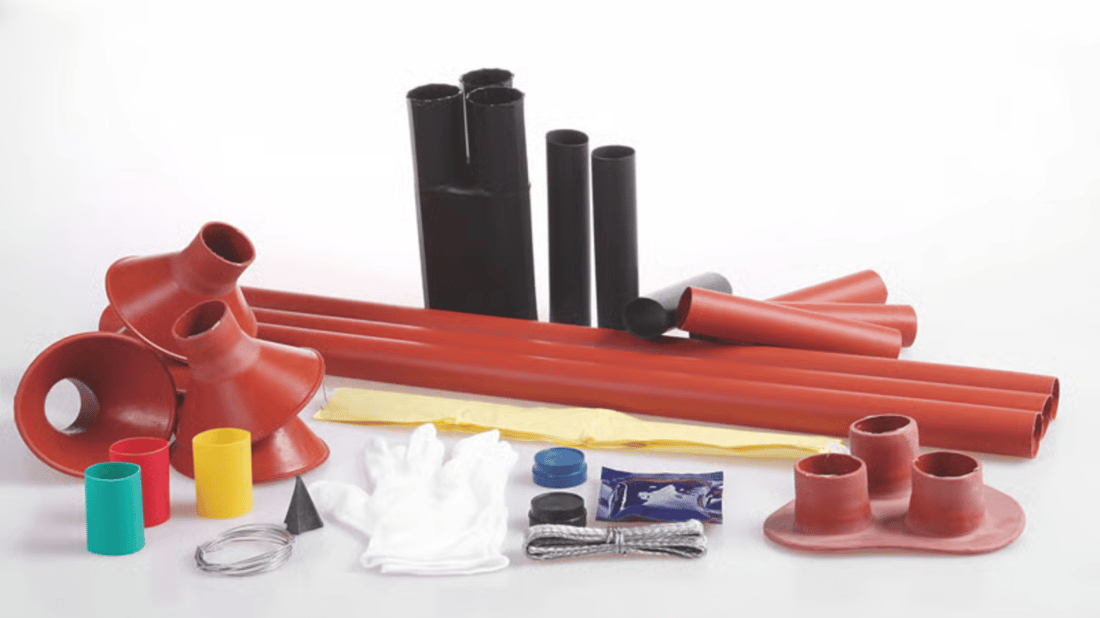
Outdoor termination refers to the process of securely connecting cables—such as fiber optic, coaxial, or electrical cables—in external environments. Unlike indoor connections, outdoor termination must withstand harsh weather, UV exposure, moisture, and temperature variations. Proper outdoor termination ensures signal integrity, durability, and safety, making it crucial for telecommunications, power distribution, and networking infrastructure.
Types of Cables Suited for Outdoor Termination
Various cables require outdoor termination, including fiber optic cables, coaxial cables, and power cables. Each type has specific characteristics affecting termination methods. For example, fiber optic cables need precise alignment of optical fibers for minimal signal loss, while coaxial cables demand secure grounding and shielding to prevent interference. Selecting the right cable type is fundamental for a reliable outdoor termination.
Essential Materials and Tools for Outdoor Termination
Successful outdoor termination relies on specialized materials such as waterproof splice closures, weather-resistant connectors, and corrosion-resistant terminals. Tools like cable strippers, crimping devices, fusion splicers, and heat guns are commonly used. Using quality materials combined with appropriate tools can extend the life of outdoor connections and maintain performance under challenging conditions.
Step-by-Step Process for Fiber Optic Outdoor Termination
Outdoor termination of fiber optic cables involves several critical steps: cable preparation, buffer tube removal, fiber cleaning, cleaving, fusion splicing, and protective closure installation. This process requires precision to avoid signal loss or damage to delicate fibers. Proper sealing of terminations prevents moisture ingress and environmental damage, ensuring optimal network performance.
Challenges in Outdoor Termination and How to Overcome Them
Outdoor terminations face challenges including moisture intrusion, temperature fluctuations, UV radiation, and physical impact. To mitigate these, waterproof enclosures, UV-resistant materials, and strain relief mechanisms are essential. Regular inspection and maintenance help detect vulnerabilities early, reducing the risk of connection failure and downtime.
Outdoor Termination in Telecommunications Networks
In telecommunications, outdoor termination is vital for connecting street cabinets, distribution points, and customer premises equipment. Reliable outdoor termination supports high-speed data transmission by minimizing attenuation and protecting against environmental hazards. Using industry standards and certifications ensures compliance and performance for telecommunication providers.
Safety Considerations During Outdoor Termination
Working with outdoor terminations, particularly electrical or fiber optic, requires adherence to safety protocols. Proper PPE (personal protective equipment), grounding procedures, and careful handling of fibers and cables prevent injuries and accidents. Understanding site-specific hazards, such as high voltage lines or confined spaces, is key to ensuring technician safety during outdoor termination tasks.
Innovations and Technologies in Outdoor Termination
Recent advancements in outdoor termination include pre-terminated cable assemblies, weatherproof connectors with enhanced sealing, and smart splice closures with monitoring features. These innovations reduce installation time and improve reliability. Additionally, environmentally friendly materials and designs promote sustainability in outdoor termination applications.
Maintenance and Troubleshooting of Outdoor Terminations
Proper maintenance of outdoor terminations involves routine inspections, cleaning of connectors, and monitoring for signs of wear or damage. Troubleshooting techniques include signal testing, visual inspection, and using diagnostic tools like OTDR for fiber optics. Proactive maintenance extends the lifespan of outdoor terminations and helps prevent costly network disruptions.
Best Practices for Outdoor Termination Projects
Successful outdoor termination projects emphasize planning, quality control, and adherence to industry standards. Selecting certified components, training personnel, and documenting each termination point are essential steps. Weather conditions, cable routing, and protective measures must be considered to ensure long-term reliability and efficiency of outdoor terminations.
Quote Inquiry
contact us