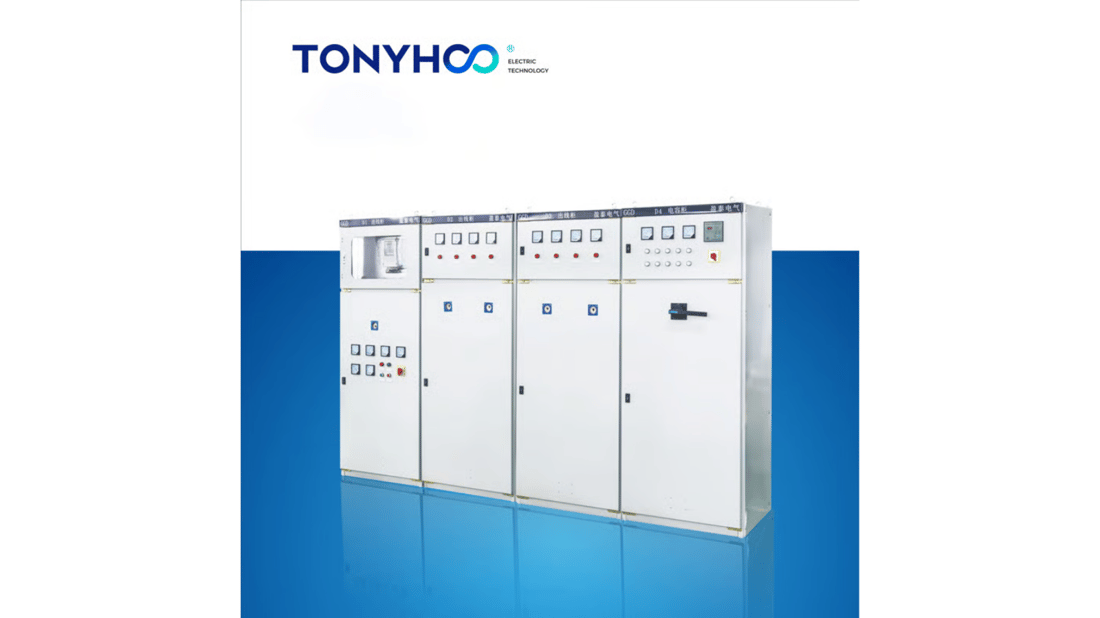
Low-voltage switchgear plays a pivotal role in electrical distribution systems, ensuring the safe control and protection of electrical equipment operating at voltages typically below 1,000 volts. Designed to manage the flow of electrical power, low-voltage switchgear is essential in both residential and industrial settings, helping to prevent electrical faults, overloads, and short circuits while facilitating efficient energy management.
Fundamental Components of Low-Voltage Switchgear
A typical low-voltage switchgear assembly contains several core components, including circuit breakers, contactors, relays, fuses, and busbars. Each element works in concert to protect circuits from abnormal currents and to enable switching operations. The configuration of these components is tailored to application requirements, providing flexibility and adaptability in various electrical systems.
Types of Low-Voltage Switchgear
Low-voltage switchgear is available in various types such as molded case circuit breakers (MCCB), air circuit breakers (ACB), and vacuum circuit breakers (VCB). Each type serves distinct operational needs; for instance, MCCBs are commonly used for residential and small industrial settings, while ACBs and VCBs are preferred for larger or more complex installations. Understanding these types helps in selecting the appropriate equipment for safety and performance.
Applications Across Industries
Low-voltage switchgear finds applications in industrial plants, commercial buildings, data centers, and infrastructure projects. Its versatility allows it to accommodate different power distribution demands, from simple lighting circuits to complex machinery. In manufacturing facilities, for example, low-voltage switchgear ensures seamless operations by safeguarding motors and control systems.
Safety Benefits and Protection Mechanisms
A critical advantage of low-voltage switchgear lies in its ability to protect personnel and equipment. By isolating faulty circuits and interrupting electrical flow during abnormal conditions, switchgear minimizes the risk of fire, electrocution, and damage to expensive devices. Modern equipment includes advanced protection features, such as ground fault detection and arc flash mitigation, enhancing operational safety.
Energy Efficiency and System Reliability
Efficient low-voltage switchgear contributes significantly to overall energy management in electrical installations. By enabling precise control and quick disconnection of power circuits, it reduces energy losses and prevents unnecessary consumption during faults. Reliable switchgear also reduces downtime by ensuring rapid fault clearance, thereby maintaining continuity of power supply.
Integration with Automation and Smart Technologies
The evolution of low-voltage switchgear has embraced digitalization and automation. Modern systems incorporate intelligent controllers and communication interfaces to enable remote monitoring, diagnostics, and control. This integration facilitates predictive maintenance and enhances the adaptability of power distribution networks to changing load demands.
Installation and Maintenance Considerations
Proper installation of low-voltage switchgear requires adherence to standards and careful planning to ensure optimal performance. Maintenance practices involve regular inspections, testing of protection devices, and cleaning to prevent dust accumulation. Routine servicing extends equipment lifespan and helps in early detection of potential failures.
Compliance with International Standards
Low-voltage switchgear must comply with international standards such as IEC 60947 and UL 1558, which define the technical requirements for performance and safety. Compliance ensures compatibility, reliability, and legal adherence across diverse markets. Manufacturers often seek certifications to validate their products against these stringent benchmarks.
Future Trends in Low-Voltage Switchgear Technology
The future of low-voltage switchgear is aligned with advancements in materials, smart grid integration, and sustainability. Innovations include compact designs, use of eco-friendly insulating materials, and incorporation of digital twins for enhanced system simulation. These developments promise improved functionality, reduced environmental impact, and greater system intelligence.
Quote Inquiry
contact us