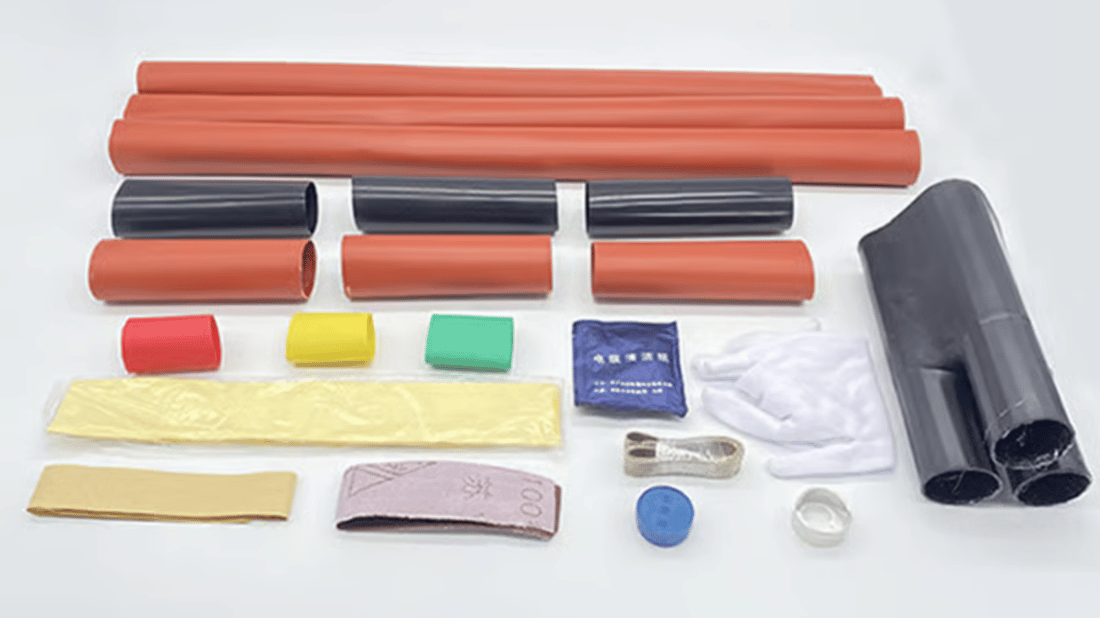
Understanding Indoor termination: Definition and Basics
Indoor termination refers to the process of connecting or finishing electrical cables, fiber optic lines, or communication wires within an indoor environment. It is a critical aspect of network installation, ensuring a secure, reliable, and interference-free connection. Proper indoor termination helps in maintaining signal integrity and prevents damage to cables, which could lead to data loss or electrical faults.
Common Types of Indoor Termination Techniques
Indoor termination includes various methods such as soldering, crimping, plug-in connectors, and mechanical splicing. Each technique caters to different cable types, like coaxial, fiber optic, or twisted pair. The choice of termination method depends on factors like the application, environmental conditions, and the type of cable used. Understanding these methods is vital for implementing effective indoor termination.
Importance of Indoor Termination for Network Reliability
Reliable indoor termination is essential for maintaining strong network performance. In telecommunications and data networks, poorly terminated indoor cables can cause interference, attenuation, and signal degradation. High-quality indoor termination guarantees minimal downtime, maximizes data transfer speeds, and reduces maintenance costs, enhancing overall network stability.
Indoor Termination in Fiber Optic Installations
Fiber optic indoor termination involves connecting fiber cables to connectors within buildings or data centers. This process requires specialized tools and techniques such as fusion splicing or mechanical connectors. Proper indoor termination for fiber optics is crucial to avoid signal loss, ensure low latency, and maintain high bandwidth capabilities, especially in modern, high-speed networks.
Equipment and Tools Required for Indoor Termination
Effective indoor termination requires an array of equipment including wire strippers, crimping tools, termination kits, splice trays, and testing devices like cable testers and optical power meters. The correct tools enable precise and professional termination work, reducing errors and ensuring a strong, durable connection for indoor cabling systems.
Indoor Termination Challenges and Troubleshooting
Common challenges in indoor termination involve cable damage, connector incompatibility, signal interference, and poor workmanship. Troubleshooting these issues includes checking for improper cable routing, retesting terminations, and replacing faulty connectors. Proper training and adherence to installation guidelines can significantly mitigate indoor termination problems.
Indoor Termination Safety Considerations
Safety is paramount during indoor termination, particularly when working with electrical cables or fiber optic light sources. Using personal protective equipment (PPE), avoiding exposure to fiber shards, and following electrical codes help prevent accidents. Additionally, proper grounding and insulation during indoor termination ensure both technician and system safety.
Applications of Indoor Termination in Various Industries
Indoor termination is employed across industries such as telecommunications, data centers, security systems, and building automation. Each application may require specific cable types and termination standards to suit its environment. For instance, indoor termination in security camera setups demands durable, weather-resistant connectors for optimal performance.
Indoor Termination Best Practices for Enhanced Performance
Implementing best practices such as thorough cable preparation, using high-quality connectors, and performing post-termination testing ensures superior indoor termination quality. Documentation of each termination point also aids future maintenance. These standards help minimize signal loss, interference, and prolong the lifespan of indoor cabling infrastructure.
Future Trends and Innovations in Indoor Termination
Emerging trends in indoor termination include advancements in connector technology, automation in termination processes, and integration with smart building systems. Innovations like tool-free termination kits and enhanced fiber optic connectors improve efficiency and reduce installation time. These developments continue to elevate indoor termination’s role in modern communication networks.
Quote Inquiry
contact us