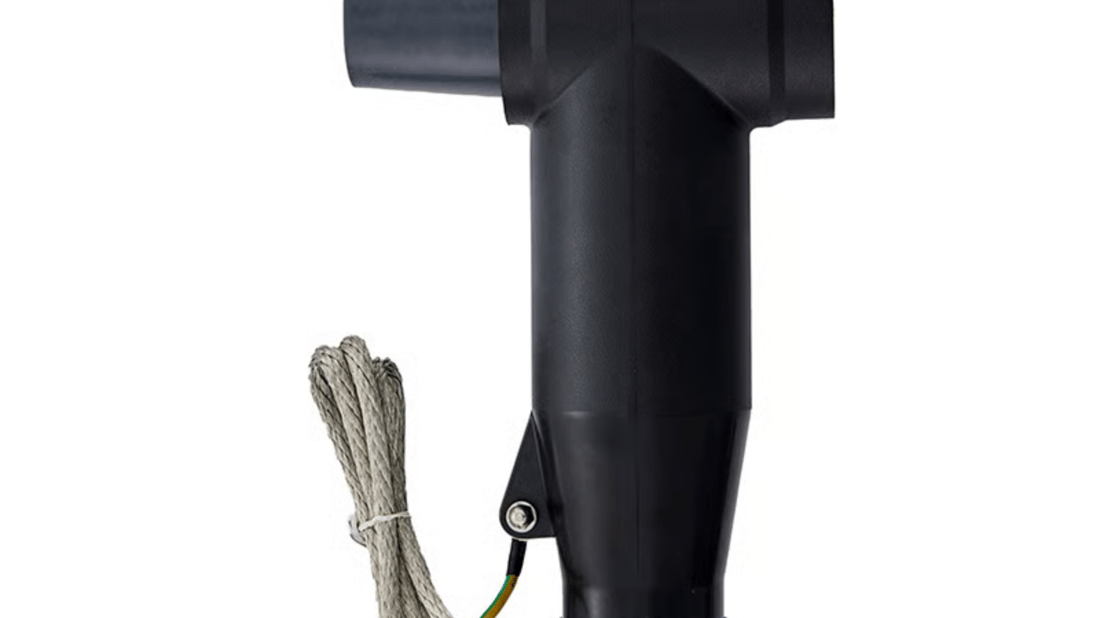
European separable connectors are specialized electrical connectors designed to enhance the safety, reliability, and efficiency of medium-voltage power distribution systems. Primarily used across European electrical grids, these connectors enable easy disconnection and reconnection of cables without the need for cutting or rewelding. Their design accommodates varying cable sizes and types, making them an integral component in power network installations and maintenance.
Design Characteristics of European Separable Connectors
The design of European separable connectors reflects stringent European standards, emphasizing durability, ease of use, and compatibility. Typically composed of high-quality insulating materials like silicone rubber or EPDM, these connectors ensure excellent electrical insulation and resistance to environmental factors such as moisture, UV exposure, and pollutants. The connectors are modular, allowing for seamless integration into different cable configurations and voltage levels.
Standards and Compliance Governing Usage
European separable connectors adhere to strict standards such as IEC 60502-4 and CENELEC directives, which set minimum requirements for safety and performance. Manufacturers must comply with testing protocols including dielectric tests, temperature endurance, and mechanical stress resistance to secure certification. This compliance ensures that connectors perform reliably under normal and fault conditions, minimizing risks of electrical failures.
Applications in Medium-Voltage Distribution Networks
Primarily employed in medium-voltage (1 kV to 36 kV) electrical networks, European separable connectors facilitate connections between cables, transformers, switchgear, and other grid components. Their separability allows maintenance crews to isolate sections of the network quickly, improving repair times and grid resilience. They are widely used in urban, suburban, and industrial power distribution scenarios due to their adaptability.
Installation and Maintenance Advantages
The plug-and-socket design simplifies installation and reduces labor costs since connectors can be deployed without specialized tools or extensive training. Maintenance is streamlined as field technicians can disconnect cables safely without cutting conductors, preserving cable integrity. Additionally, the reusable nature of these connectors promotes sustainability by reducing waste associated with cable replacements.
Enhanced Safety Features of European Separable Connectors
Safety is paramount in power distribution, and European separable connectors incorporate features to prevent accidental electrical contact and ensure fault containment. Insulating boots and interlocking mechanisms prevent exposure to live parts during connection or disconnection. Moreover, these connectors provide secure mechanical locking and arc-quenching capabilities, reducing the likelihood of electrical faults and enhancing worker safety.
Material Innovations Driving Performance
Advancements in polymer technology have significantly improved the performance of European separable connectors. Materials such as cold-shrink silicone rubber offer superior flexibility and sealing properties, preventing ingress of water and contaminants. These innovations extend service life, reduce maintenance cycles, and ensure consistent electrical performance, even in harsh environmental conditions.
Compatibility and Interoperability Considerations
European separable connectors are designed to be compatible with standardized cable sizes and other European electrical components. Ensuring interoperability across brands and equipment types is critical for maintaining grid flexibility. Manufacturers provide detailed dimensional and electrical specifications to facilitate correct matching, preventing mismatches that could cause failures or hazards.
Environmental and Economic Impact
By enabling rapid installation and reducing downtime, European separable connectors contribute to more efficient energy distribution, minimizing losses and operational costs. Additionally, their durability reduces the frequency of replacements, leading to lower environmental impact through decreased material consumption and waste. Their recyclable materials and long life cycles align with Europe’s broader sustainability and circular economy goals.
Future Trends and Innovations
Ongoing research in European separable connectors focuses on integrating smart sensors and monitoring capabilities to support smart grid initiatives. Future designs may incorporate real-time diagnostics for temperature, current flow, and fault detection, enabling predictive maintenance. Furthermore, advances in materials science promise connectors with enhanced mechanical strength and greater resistance to extreme climatic conditions, meeting the evolving demands of European power infrastructure.
Quote Inquiry
contact us