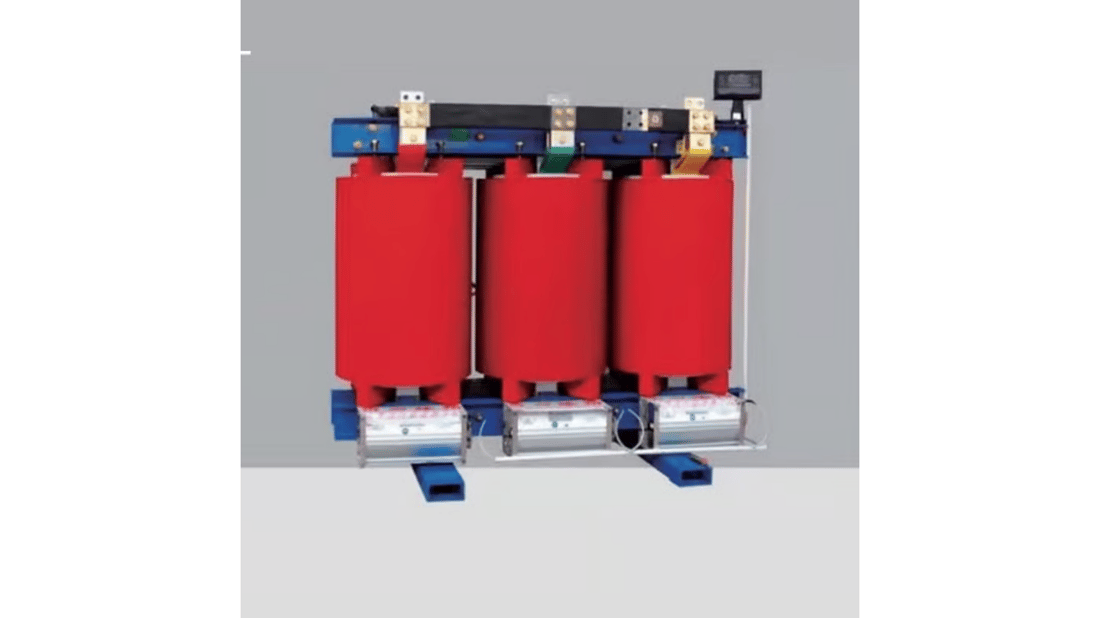
Dry-type transformers are electrical devices that transfer electrical energy between circuits through electromagnetic induction without using liquid insulation. Unlike oil-filled transformers, dry-type transformers rely on air or other solid dielectric materials for insulation, making them safer and more environmentally friendly. This technology is widely used in commercial, industrial, and residential power distribution systems where fire safety and low maintenance are priorities.
Key Components and Construction of Dry-Type Transformers
The construction of a dry-type transformer primarily includes iron cores, copper or aluminum windings, and solid insulations such as epoxy resin or cast coil insulation. These materials help ensure optimal electrical performance and reliable insulation. The core is laminated to reduce eddy current losses, and the windings are coated for mechanical strength and dielectric properties. This design contributes to the transformer’s durability and efficiency.
Types of Dry-Type Transformers and Their Applications
Dry-type transformers come in several varieties, including ventilated dry-type, encapsulated, and cast coil transformers. Ventilated types use natural or forced air cooling, which is suitable for general industrial applications. Encapsulated transformers have sealed windings with epoxy resin, making them resistant to dust and moisture, ideal for harsh environments. Cast coil transformers offer superior insulation and mechanical strength, commonly used in specialized heavy-duty applications.
Safety Advantages Compared to Oil-Filled Transformers
One of the most significant benefits of dry-type transformers is their inherent safety. Since they do not contain flammable oil, the risks of fire hazards and oil leaks are eliminated. This makes dry-type transformers particularly advantageous in indoor installations, densely populated areas, and critical infrastructures such as hospitals or schools where minimizing fire risks is crucial.
Energy Efficiency and Performance Considerations
Dry-type transformers are recognized for their high energy efficiency, often reaching efficiency levels above 98%. Their design minimizes energy losses such as copper losses in windings and core losses due to magnetic flux. Additionally, the choice of materials and manufacturing techniques directly affects the performance, with premium-grade cores and windings leading to lower operating costs and reduced environmental impact.
Maintenance and Longevity of Dry-Type Transformers
With no liquid insulation, dry-type transformers require less routine maintenance compared to oil-filled variants. Regular inspection typically involves checking for dust accumulation, securing electrical connections, and monitoring temperature. Proper maintenance can extend the lifespan of a dry-type transformer to 30 years or more, making them a cost-effective solution over time.
Environmental Impact and Sustainability Benefits
Dry-type transformers offer significant environmental advantages due to their non-toxic insulation materials and elimination of oil, which can contaminate soil and water if leaked. Their recyclable materials and reduced energy losses contribute to sustainable power system design. The absence of oil also simplifies disposal procedures at the end of the transformer's life cycle.
Installation Flexibility and Space Efficiency
The compact and self-cooled nature of dry-type transformers allows for versatile installation options. They can be safely placed indoors, near sensitive equipment, or in locations with limited ventilation. Their smaller footprint compared to oil-filled counterparts enables easier integration into modern building designs and urban environments where space is at a premium.
Cost Factors and Economic Considerations
Although initial purchase costs of dry-type transformers are generally higher than oil-filled types, the total cost of ownership often favors dry-type units due to lower installation expenses, minimal maintenance, and longer service life. Additionally, reduced insurance costs due to enhanced safety features contribute to economic advantages for businesses and utilities.
Future Trends and Innovations in Dry-Type Transformer Technology
Advancements in materials science and manufacturing are driving innovations in dry-type transformers, such as improving thermal management and reducing core losses. Smart diagnostic tools and IoT integration enhance condition monitoring and predictive maintenance. Upcoming designs focus on higher power density and eco-friendly materials to meet evolving industry standards and environmental regulations.
Quote Inquiry
contact us