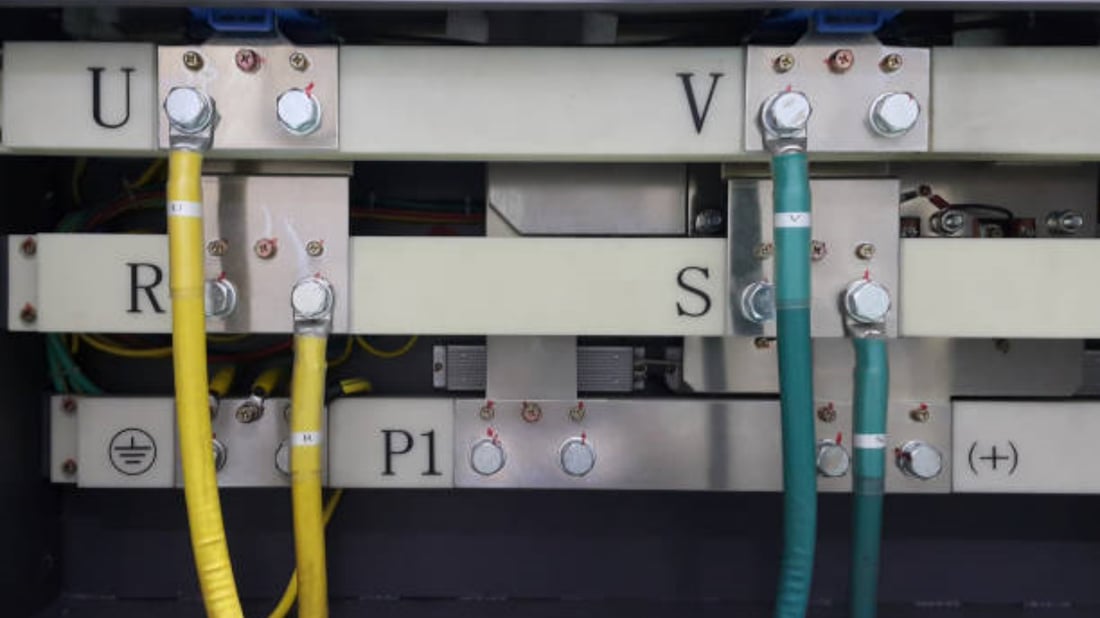
A direct grounding protective box is an essential component in electrical safety systems. It offers a direct path for electrical currents to safely dissipate into the earth, minimizing the risk of electric shock and equipment damage. The box contains grounding conductors and terminals that securely connect electrical installations to the earth, ensuring a stable reference point for electrical systems.
Role in Electrical Safety Systems
Direct grounding protective boxes play a vital role in electrical safety by preventing electrical faults from escalating. In the event of a fault such as a short circuit or lightning surge, the grounding box facilitates immediate grounding of excess electricity. This prevents dangerous voltage build-up on equipment casings and reduces fire hazards, safeguarding electronics and human lives.
Design and Structure Features
Typically housed in durable metal or heavy-duty plastic enclosures, direct grounding protective boxes are built for longevity and weather resistance. Inside, they feature corrosion-resistant terminal strips and connectors to maintain a reliable grounding connection. The enclosure often includes access doors or panels for easy maintenance without compromising safety.
Installation Procedures and Best Practices
Proper installation of a direct grounding protective box requires adherence to electrical codes and standards. It should be mounted near the main grounding electrode system, using appropriate grounding cables with adequate cross-sectional areas. Attention to tight mechanical connections and periodic inspection is critical to maintaining optimal grounding performance.
Materials Used in Direct Grounding Protective Boxes
Material selection is paramount for durability and electrical conductivity. Copper and galvanized steel are commonly used for internal conductors due to their superior conductivity and corrosion resistance. The outer casing is often made of weatherproof plastics or stainless steel, suited for outdoor or industrial environments to withstand harsh conditions.
Applications Across Different Industries
Direct grounding protective boxes are used extensively across various sectors, including telecommunications, power distribution, and industrial manufacturing. They ensure critical equipment remains grounded in high-voltage environments, protecting sensitive instruments and infrastructure from transient electrical disturbances.
Compliance with Electrical Standards and Regulations
Meeting national and international grounding standards such as IEEE, NEC, and IEC is crucial. Direct grounding protective boxes must comply with these to ensure safety and interoperability. Compliance guarantees that grounding systems effectively reduce electromagnetic interference and maintain system integrity.
Advantages Over Alternative Grounding Methods
Compared to indirect or floating grounding setups, direct grounding protective boxes offer immediate and low-resistance grounding paths. This results in faster fault clearance times and reduced threat of voltage spikes. Their design also simplifies maintenance and troubleshooting due to centralized grounding connections.
Maintenance and Longevity Considerations
Regular inspection of the direct grounding protective box is necessary to ensure continued performance. This includes checking for corrosion, loose connections, and physical damage. Routine testing of ground resistance verifies that the system continues to provide effective protection over time, extending the service life of connected electrical equipment.
Emerging Innovations and Future Trends
Technological advancements are enhancing direct grounding protective boxes with smart monitoring capabilities. Integration of sensors and IoT technology allows real-time diagnostics of grounding system status, predictive maintenance, and improved safety management. Future designs also emphasize eco-friendly materials and modular configurations to meet evolving electrical infrastructure demands.
Quote Inquiry
contact us