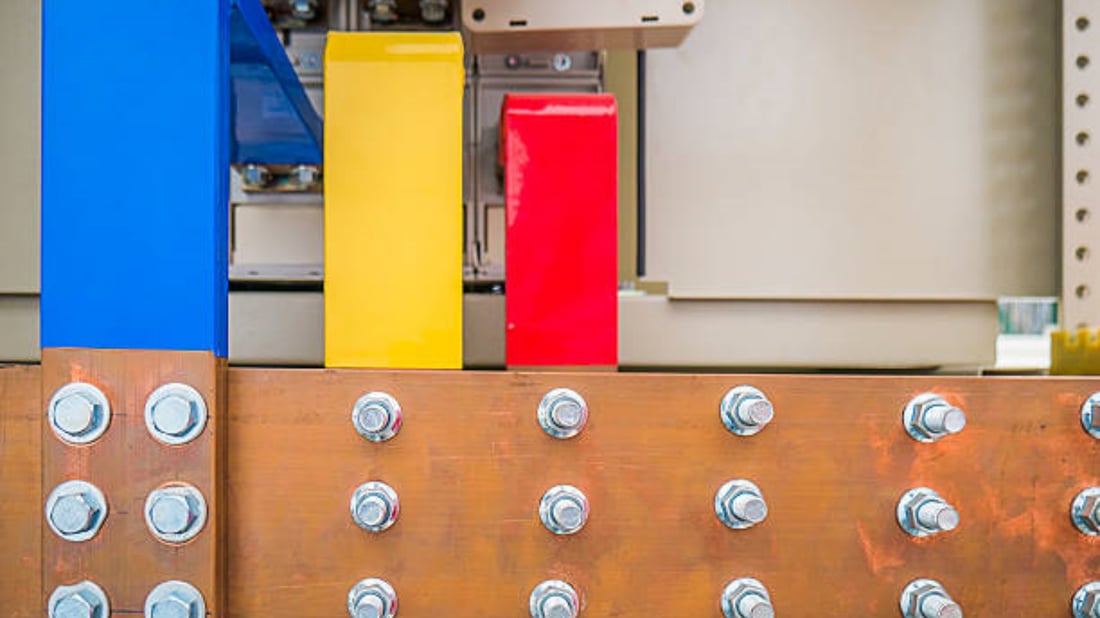
A cross bonding grounding box is a crucial electrical component designed to interconnect metallic enclosures, pipelines, or cable sheaths, ensuring effective grounding and equalizing potential differences. Its primary function is to prevent electrical hazards by reducing the risk of voltage buildup that could lead to equipment damage or personal injury. In high-voltage power distribution and telecommunication systems, cross bonding grounding boxes enable safer operation and compliance with regulatory standards.
Significance of Cross Bonding Grounding Box in Electrical Safety
Electrical safety is paramount in industrial and infrastructure applications, and the cross bonding grounding box plays a vital role by maintaining proper grounding continuity. It prevents stray currents, minimizes electromagnetic interference, and protects personnel by reducing touch voltage. Proper use of cross bonding grounding boxes ensures that any fault current is safely directed to the ground, reducing the likelihood of electrical shocks or fire hazards.
Structural Design and Components of Cross Bonding Grounding Box
Typically, a cross bonding grounding box is constructed with durable, corrosion-resistant materials such as stainless steel or galvanized steel. It houses terminal blocks, bonding straps, and cable entry points, all meticulously designed to facilitate secure connections between multiple grounding conductors. Its design caters to ease of installation, maintenance, and the accommodation of varying cable sizes or conductor types.
Installation Techniques for Cross Bonding Grounding Box
Installing a cross bonding grounding box requires adherence to specific protocols to ensure optimum performance. It involves positioning the box at strategic locations along pipelines or cable runs, usually at intervals determined by electrical engineering standards. Proper connection of all metallic parts to the grounding box is essential, as improper installation can result in ineffective bonding and increased electrical hazards.
Role in Pipeline and Cable Protection Systems
Cross bonding grounding boxes are extensively used in pipeline and cable protection systems, particularly in cathodic protection applications. They help neutralize potential differences between pipeline sections and adjacent metallic structures, preventing corrosion and extending the life of infrastructure. By accurately managing stray currents, these grounding boxes ensure the integrity and longevity of buried metal assets.
Enhancing System Reliability with Cross Bonding Grounding Box
System reliability in electrical networks is improved by incorporating cross bonding grounding boxes, which contribute to stable voltage levels and reduce electrical noise. They support consistent grounding potential across diverse equipment, minimizing disruptions caused by transient voltages or leakage currents. This stability is critical for sensitive communication or control systems integrated within power grids.
Compliance with National and International Standards
Cross bonding grounding boxes must comply with various standards such as IEEE, IEC, and NEC codes, which regulate grounding practices and safety requirements. Manufacturing, installation, and testing of these boxes are dictated by these standards to guarantee reliable performance and compatibility with broader grounding systems. Compliance also simplifies regulatory approval and enhances workplace safety.
Material Selection and Longevity Considerations
Selecting appropriate materials for cross bonding grounding boxes is crucial to prevent degradation over time due to environmental factors such as moisture, chemicals, and temperature fluctuations. Corrosion-resistant metals and protective coatings extend the lifespan of the grounding box, ensuring continuous grounding effectiveness without the need for frequent replacements or repairs.
Maintenance and Testing Protocols
Routine maintenance of cross bonding grounding boxes involves visual inspections, cleaning connections, and testing continuity using specialized instruments like earth testers or micro-ohm meters. Verifying the integrity of bonds ensures the grounding system remains operational and effective. Maintenance schedules vary depending on environmental conditions and system criticality but are essential for long-term safety assurance.
Future Trends and Innovations in Cross Bonding Grounding Boxes
Emerging technologies focus on integrating smart sensors and monitoring systems within cross bonding grounding boxes to provide real-time data on grounding conditions. These advancements facilitate predictive maintenance and immediate fault detection, enhancing system resilience. Additionally, developments in material science promise lighter, more durable grounding boxes that comply with evolving industry requirements.
Quote Inquiry
contact us