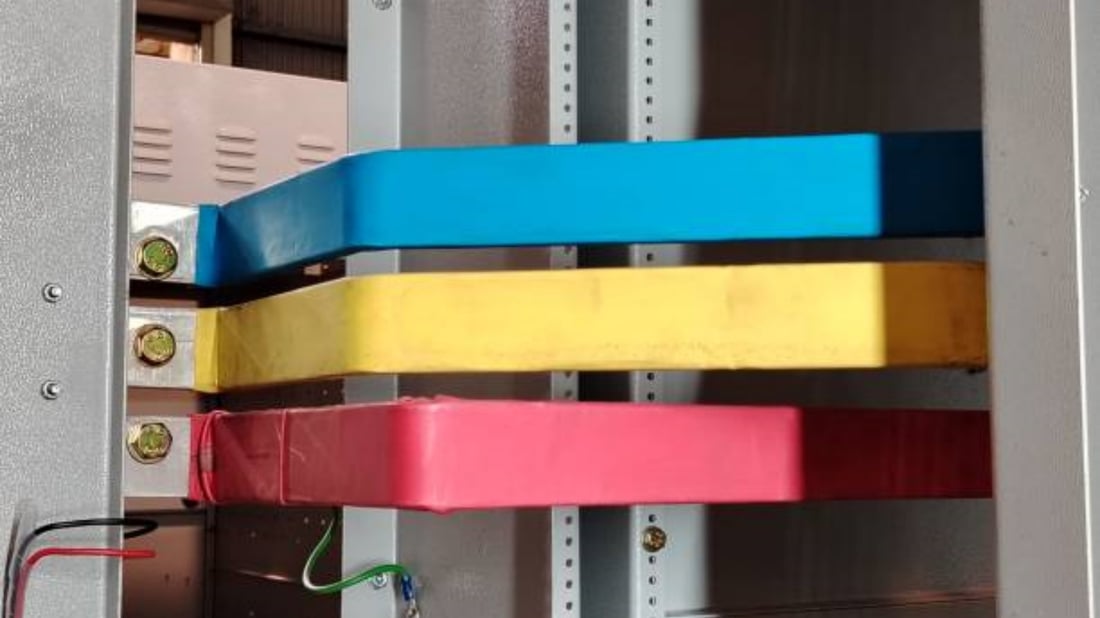
Busbar protective cover installation plays a crucial role in enhancing electrical safety within power distribution systems. These covers prevent accidental contact with live busbars, reducing the risk of electrical shock and short circuits. Proper installation ensures that both personnel and equipment remain safe in industrial and commercial environments.
Types of Busbar Protective Covers Available
Various materials are used for busbar protective covers, including fiberglass, PVC, and polycarbonate. Each type offers specific insulation properties, durability, and resistance to environmental factors. Selecting the appropriate cover depends on the installation environment, voltage levels, and safety standards.
Essential Tools and Equipment for Installation
Successful busbar protective cover installation requires specific tools such as insulating gloves, screwdrivers, torque wrenches, and measuring devices. Utilizing proper equipment helps maintain safety standards and ensures that covers are securely mounted to protect busbars effectively.
Step-by-Step Busbar Protective Cover Installation Process
The installation process starts with assessing the busbar layout, cleaning surfaces, and positioning covers properly. Fasteners and clamps are used to secure the covers tightly, avoiding gaps that could expose conductors. Following manufacturer guidelines during installation is vital for achieving optimal protection.
Compliance with Electrical Safety Standards
Busbar protective cover installation must adhere to local and international standards such as IEC, IEEE, and OSHA. These regulations define minimum clearance distances, material specifications, and installation practices that ensure reliable protection against electrical hazards.
Common Challenges and Solutions in Installation
Challenges during busbar protective cover installation include fitting covers in tight spaces, dealing with varying busbar sizes, and accommodating future maintenance needs. Solutions involve custom-fabricated covers, modular designs, and removable sections that simplify installation and servicing.
Inspection and Maintenance Post-Installation
After installation, regular inspection of busbar protective covers is essential to verify that no damage or displacement has occurred. Maintenance routines include cleaning covers from dust, checking for cracks or degradation, and ensuring all fasteners remain tight to sustain safety levels.
Impact of Environmental Factors on Covers
Environmental conditions such as temperature fluctuations, humidity, and exposure to chemicals influence the longevity and performance of busbar protective covers. Choosing covers with high UV resistance, corrosion-proof materials, and proper sealing enhances durability in harsh settings.
Cost-Benefit Analysis of Installing Busbar Protective Covers
Though there is an initial investment involved in busbar protective cover installation, the payoff in terms of reduced downtime, improved safety, and compliance penalties avoidance makes it economically beneficial. Preventing accidents and equipment damage ultimately lowers operational costs.
Future Trends in Busbar Protective Cover Technology
Innovations in materials science and design are leading to lighter, more flexible busbar protective covers with enhanced insulation properties. Integration of smart sensors for real-time monitoring and use of eco-friendly materials are trends expected to redefine busbar protection approaches shortly.
Quote Inquiry
contact us