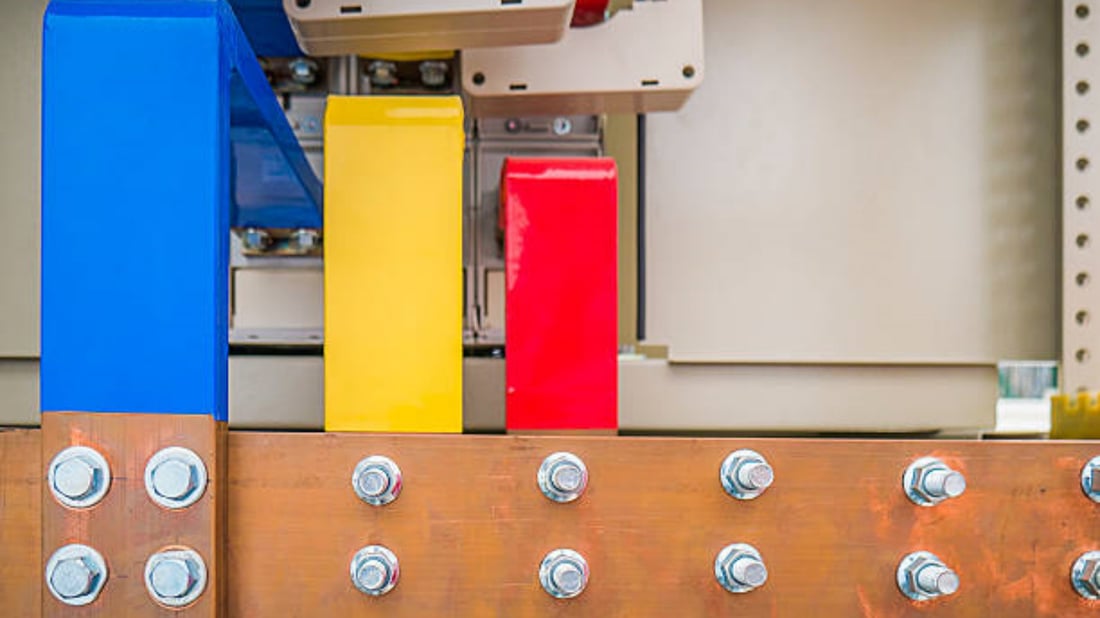
Ensuring the proper fit of busbar protective casing is a critical safety measure in electrical installations. A fit check verifies that the casing securely encloses the busbar, preventing accidental contact, electrical faults, and environmental damage. Without a thorough fit check, improperly installed casings may lead to operational disruptions or hazardous situations.
Key Components Involved in Busbar Protective Casing Fit Check
The fit check process evaluates the alignment and securement of the busbar protective casing components, including joints, seals, and locking mechanisms. Each element must fit precisely to maintain insulation integrity and prevent exposure to live electrical parts. Proper engagement of these components is fundamental for a successful fit check outcome.
Standard Procedures for Conducting a Busbar Protective Casing Fit Check
Performing a fit check involves systematic steps such as inspecting casing dimensions, mounting alignment, and confirming the absence of gaps or loose fittings. Typically, this includes visual inspections, manual testing, and sometimes the use of specialized gauges or templates to confirm the casing fits according to manufacturer specifications.
Tools and Equipment Used During a Fit Check
Specialized tools such as calipers, torque wrenches, and inspection mirrors are often utilized during a busbar protective casing fit check. These instruments facilitate accurate measurement, tight fastening, and thorough visual inspection to ensure that the casing installation adheres to safety and operational standards.
Common Issues Detected Through Busbar Protective Casing Fit Checks
Fit checks often reveal issues such as misaligned casing segments, incomplete seals, or inadequate fastening. Detecting these problems early prevents major electrical faults and enhances system reliability. Recurrent issues identified through fit checks can also inform design or installation improvements.
Impact of Environmental Conditions on Busbar Protective Casing Fit
Environmental factors such as temperature fluctuations, humidity, and dust can affect the fit of busbar protective casings over time. A fit check helps identify potential vulnerabilities caused by environmental wear or deformation, prompting timely maintenance or replacement to sustain protective effectiveness.
Role of Fit Checks in Compliance with Electrical Safety Standards
Busbar protective casing fit checks play a vital role in meeting electrical safety regulations and standards, such as IEC and IEEE guidelines. Demonstrating that casings are properly fitted ensures facility compliance, minimizing legal liabilities and improving workplace safety.
Integrating Fit Checks into Routine Maintenance Schedules
Including busbar protective casing fit checks in regular maintenance plans helps maintain longstanding system performance. Regular assessments identify slow developing fit issues before they escalate, enabling proactive repairs and minimizing downtime in electrical systems.
Training and Skill Requirements for Performing Effective Fit Checks
Qualified personnel conducting busbar protective casing fit checks must possess a strong understanding of electrical systems and mechanical fittings. Training ensures that technicians recognize correct fit parameters, detect faults accurately, and adhere to safety protocols during inspections.
Advancements in Technology Aiding Busbar Protective Casing Fit Checks
Innovations such as 3D scanning and augmented reality (AR) are increasingly employed to enhance the accuracy and efficiency of busbar protective casing fit checks. These technologies allow precise digital mapping and real-time visualization, minimizing human error and optimizing fit verification processes.
Quote Inquiry
contact us