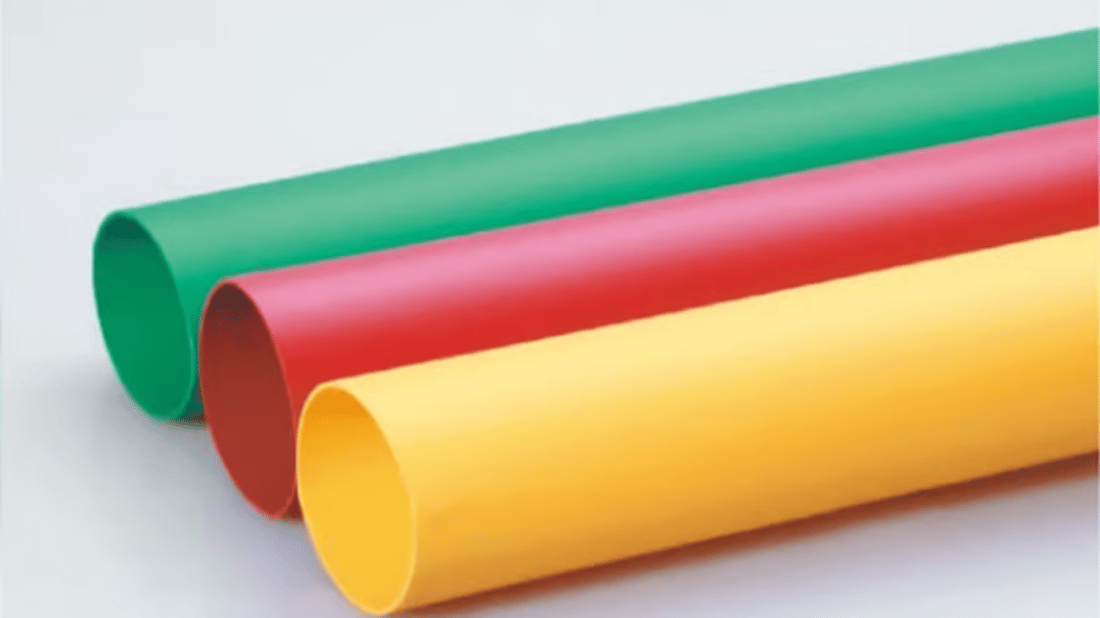
Busbar-bar protective casing plays a critical role in electrical power distribution by providing a shield around busbars, which are conductive strips or bars used for power distribution. The casing prevents accidental short circuits, protects against physical damage, and ensures user safety by discouraging direct contact with live electrical components. This essential protective layer enhances overall operational reliability within electrical panels and switchgear assemblies.
Materials Commonly Used for Busbar-Bar Protective Casing
The choice of materials for busbar-bar protective casing significantly impacts its durability and insulation properties. Typically, high-quality thermoplastics such as PVC, polycarbonate, or fiberglass-reinforced plastics are employed to offer both insulation and mechanical strength. These materials resist heat, corrosion, and electrical stress, ensuring long-lasting performance in harsh industrial environments.
Design Considerations for Effective Busbar-Bar Protective Casing
An effective busbar-bar protective casing must balance accessibility and protection. Designs often incorporate removable or hinged covers to enable maintenance without compromising safety. Ventilation features are also included to dissipate heat generated by current flow, while the casing’s compactness ensures efficient use of space in switchgear assemblies. Proper design is pivotal for preventing accidents and equipment failures.
Types of Busbar-Bar Protective Casing Available in the Market
Various types of busbar-bar protective casing cater to diverse applications and voltage requirements. Standard models include snap-fit casings, fully enclosed boxes, and modular systems adaptable to different busbar sizes and configurations. Customized casings with enhanced fire resistance or shielding against electromagnetic interference are also available, addressing specific industrial needs.
Importance of Busbar-Bar Protective Casing in Electrical Safety Regulations
Compliance with electrical safety standards such as IEC, UL, or NEC mandates the use of busbar-bar protective casing in many installations. These regulations aim to minimize electrical hazards including shock, fire, and arc flash incidents. Incorporating protective casings helps organizations meet these safety requirements, thereby reducing workplace accidents and liability risks.
Installation Best Practices for Busbar-Bar Protective Casing
Proper installation of busbar-bar protective casing ensures optimal protection and longevity. It is crucial to align casing dimensions precisely with the busbar layout to avoid gaps or misfits. Additionally, secure fastening methods prevent displacement during operation. Installation should always be performed by qualified personnel familiar with electrical safety protocols to maintain system integrity.
Thermal Management Benefits of Busbar-Bar Protective Casing
Beyond physical protection, busbar-bar protective casing aids in thermal management by allowing controlled heat dissipation. Many casings incorporate louvers or perforations to enable airflow, preventing excessive temperature rise that can degrade busbar performance. Efficient thermal control extends the lifespan of busbars and connected equipment, enhancing system reliability.
Impact of Busbar-Bar Protective Casing on Maintenance and Inspection
Busbar-bar protective casing simplifies maintenance by shielding busbars from dust, moisture, and mechanical impacts, thereby reducing wear and tear. Removable casing designs facilitate quick inspection without dismantling entire systems, minimizing downtime. Regular maintenance with properly protected busbars leads to fewer electrical faults and enhanced system availability.
Custom Solutions Tailored to Industry-Specific Needs
Different industries demand specific features from busbar-bar protective casings. For instance, chemical plants require acid-resistant casings, while data centers prioritize electromagnetic shielding. Manufacturers often provide custom casing solutions that address unique operational challenges, ensuring that busbar protection aligns with sector-specific safety and performance criteria.
Future Trends in Busbar-Bar Protective Casing Technology
Advancements in materials science and manufacturing techniques are shaping the future of busbar-bar protective casing. Innovations such as smart casings equipped with temperature sensors and arc-flash detection are emerging, integrating safety monitoring directly into the protective shell. Additionally, eco-friendly and recyclable casing materials are gaining traction in response to environmental concerns.
Quote Inquiry
contact us