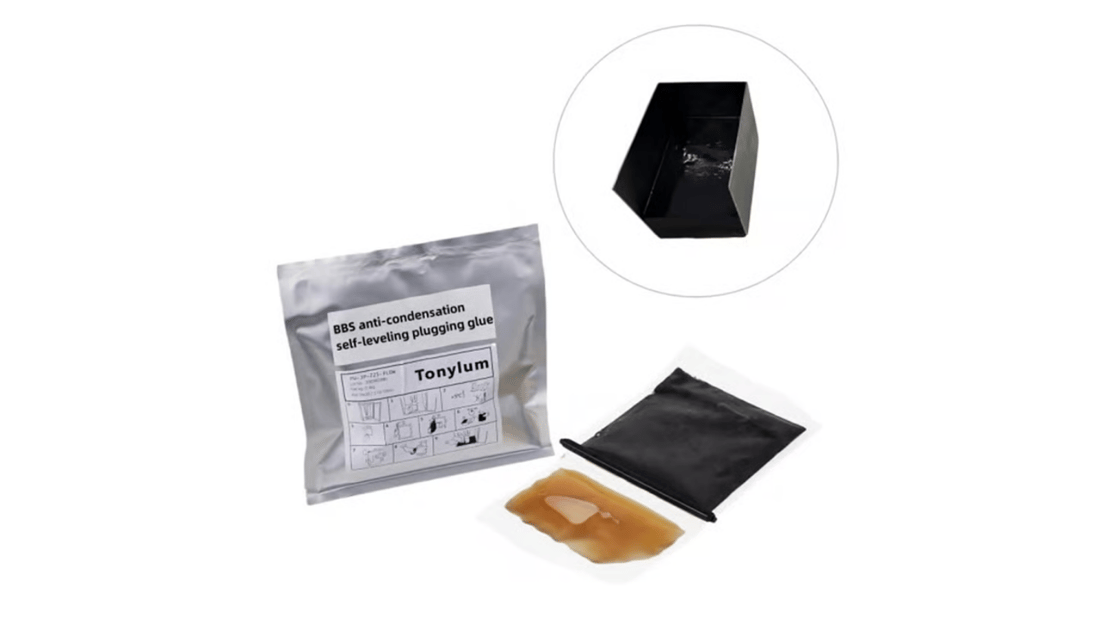
Anti-condensation formation sealant is a specialized product designed to prevent the build-up of moisture caused by condensation on various surfaces. Often used in construction and industrial applications, it acts as a barrier that inhibits water vapor from settling and causing damage. This sealant helps in maintaining structural integrity and enhances the longevity of surfaces exposed to fluctuating temperatures and humidity levels.
How Anti-Condensation Formation Sealant Works
The sealant functions by creating a waterproof and airtight layer that blocks moisture ingress. It adapts to surface irregularities and bonds effectively to materials like metal, glass, and concrete. By minimizing temperature differentials across surfaces, it reduces the likelihood of condensation forming, which otherwise results from moisture-laden air coming into contact with cooler surfaces.
Key Applications Across Industries
Anti-condensation formation sealant is widely used in automotive manufacturing to protect metal parts from rust and corrosion. In the building industry, it is applied on windows, roofs, and HVAC systems to prevent water accumulation and mold growth. Additionally, in refrigeration and cold storage facilities, it ensures efficient thermal insulation by preventing moisture-related disruptions.
Materials Compatible with Anti-Condensation Formation Sealant
This sealant is compatible with a broad range of materials, including metals like aluminum and steel, polymers such as PVC, and mineral-based surfaces like concrete and bricks. Its adaptability improves installation flexibility, making it a preferred choice for both new builds and retrofit projects requiring condensation control.
Environmental and Health Benefits
Using anti-condensation formation sealants contributes to healthier indoor environments by reducing mold and mildew growth, known contributors to respiratory problems. Many formulations are low in volatile organic compounds (VOCs), ensuring minimal environmental impact during and after application. Sustainable variants further enhance eco-friendliness by utilizing recycled or biodegradable components.
Installation Techniques and Best Practices
Proper surface preparation is crucial for the effectiveness of anti-condensation formation sealant. Surfaces must be clean, dry, and free from dust or oils to maximize adhesion. Application methods vary but commonly include brush, roller, or spray techniques. Following manufacturer guidelines guarantees uniform coverage and long-lasting protection.
Durability and Maintenance Considerations
High-quality anti-condensation formation sealants offer exceptional durability, resisting UV rays, temperature extremes, and mechanical wear. Maintenance is generally minimal, but periodic inspections are recommended to assess any degradation. Reapplication may be necessary in harsh environments to maintain optimal sealing and moisture control.
Cost-Benefit Analysis of Using Anti-Condensation Sealants
Investing in anti-condensation formation sealants can lead to significant savings by minimizing repairs related to water damage and corrosion. Though initial costs vary based on product specifications and size, the long-term benefits in asset preservation and energy efficiency often outweigh these expenses.
Innovations and Advances in Sealant Technology
Recent developments in anti-condensation sealant technology include enhanced formulations with faster curing times and improved flexibility. Nanotechnology integration has allowed for better moisture barrier properties, while eco-conscious innovations have resulted in less toxic and more biodegradable products that do not compromise on performance.
Choosing the Right Anti-Condensation Formation Sealant
Selecting the appropriate sealant involves evaluating environmental conditions, substrate compatibility, and specific application requirements. Consulting product datasheets and expert advice ensures the chosen anti-condensation formation sealant meets durability, aesthetic, and regulatory standards necessary for the project.
Quote Inquiry
contact us