

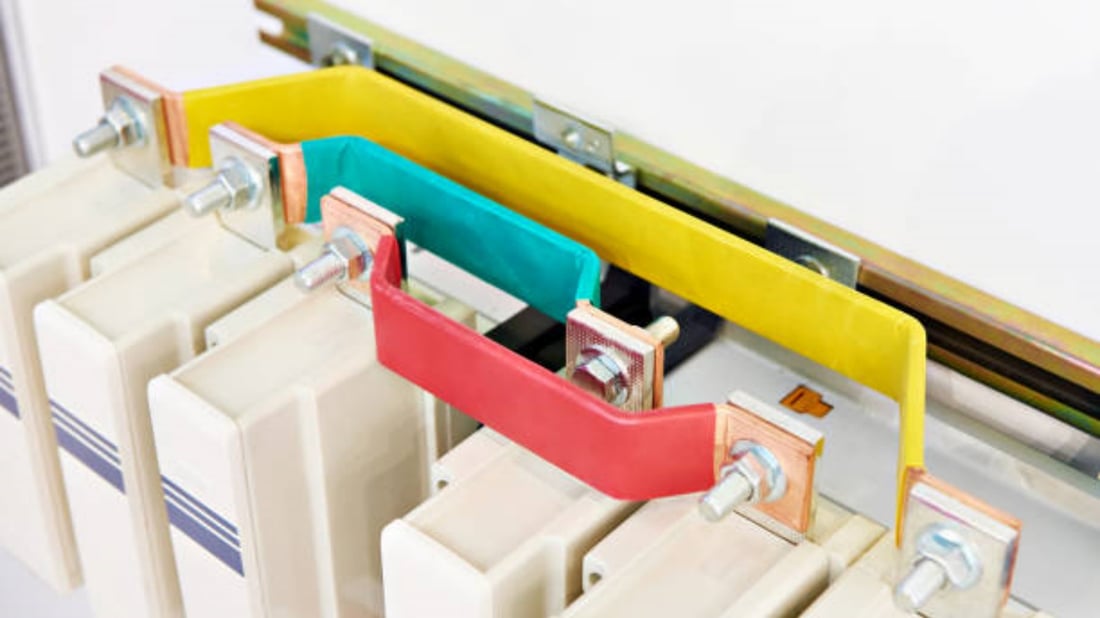
Understanding Busbar Casing and Its Importance
A busbar casing acts as a protective enclosure around busbars, which are essential electrical conductors distributing power within switchboards and electrical panels. The casing not only shields personnel and equipment from electrical hazards but also safeguards the busbars against environmental influences. Given the high electrical currents often involved, heat generation within the busbar is inevitable, making the casing's heat resistance properties crucial for operational safety and longevity.
Factors Influencing Heat Generation in Busbars
Heat in busbars arises primarily due to electrical resistance and current load. Factors such as the size, material composition, and current-carrying capacity of the busbar determine the amount of heat generated. Poor connections or damage to busbars can also cause localized heating. Therefore, selecting a casing that can withstand these temperature fluctuations is vital to prevent damage or fire hazards.
Materials Used in Busbar Casing for Heat Resistance
Materials commonly used in busbar casing include thermoplastics, thermosetting plastics, and metallic alloys. Thermosetting plastics like epoxy resin offer excellent heat resistance up to 150°C, while aluminum or galvanized steel casings provide both mechanical protection and heat dissipation. Advanced composite materials are gaining traction due to their lightweight nature and high thermal endurance.
Heat Resistance Ratings and Standards for Busbar Casings
Numerous international standards govern the heat resistance of busbar casing materials, including IEC 61439 and UL 94. These standards specify temperature thresholds, fire ratings, and durability under thermal stress. Compliance ensures that busbar casings maintain integrity during overloads or faults without compromising safety.
Impact of Ambient Temperature on Busbar Casing Performance
Ambient temperature plays a significant role in overall heat management. In industrial settings, high ambient temperatures demand casings with superior heat resistance to prevent accelerated aging or deformation. Proper consideration of the installation environment guarantees that the casing will continue to protect busbars effectively under varying thermal conditions.
Thermal Management Solutions for Busbar Casings
Effective heat dissipation strategies can include integrating ventilation, using heat sinks, or employing ventilated casing designs. Some casings feature slots or perforations to facilitate airflow, which helps maintain acceptable temperature levels. Additionally, applying thermal insulating coatings inside the casing enhances heat resistance by minimizing heat transfer.
Design Considerations to Enhance Heat Resistance
Casings must be designed to accommodate thermal expansion and contraction without warping or cracking. Incorporating flexible joints and ensuring correct thickness are vital design elements. Moreover, compact busbar configurations require casings with exceptional insulating and heat-resistant properties to withstand concentrated heat zones.
Testing Methods for Verifying Heat Resistance
To validate heat resistance, casings undergo rigorous testing such as thermal cycling, flame retardance, and hot spot endurance tests. These evaluations simulate operational conditions, confirming that materials will withstand short-term overloads and continuous high temperatures without degradation.
Common Challenges in Maintaining Busbar Casing Heat Resistance
Over time, exposure to extreme heat, UV radiation, and mechanical stress can degrade casing materials. Improper installation or use of substandard materials might lead to reduced heat resistance, posing potential hazards. Regular maintenance and inspections are necessary to detect early signs of thermal damage and uphold system safety.
Future Trends in Busbar Casing Heat Resistance Technology
Emerging technologies focus on developing casings with nanomaterial-enhanced composites and smart heat sensors to monitor live temperature changes. Innovations in materials science aim to create casings that combine exceptional heat resistance, mechanical strength, and lightweight properties, enhancing the efficiency and safety of electrical distribution systems.