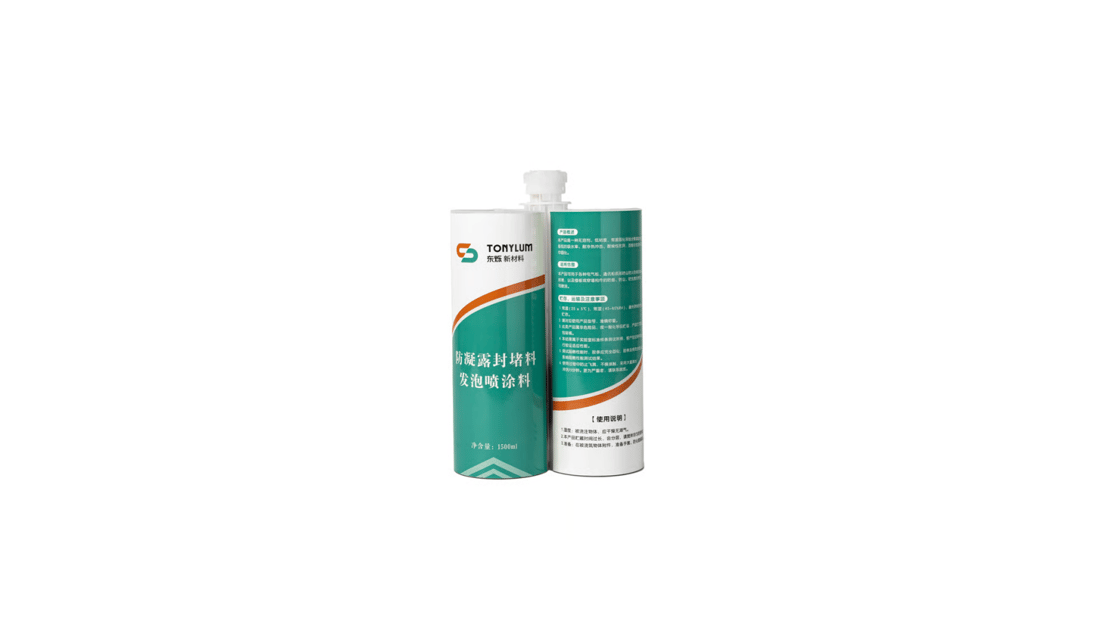
Anti condensation sealing material - foam spray coating is an innovative solution designed to prevent condensation buildup on surfaces. This technology combines sealing and insulating properties, offering a highly effective barrier against moisture accumulation. Widely used in construction, HVAC systems, and industrial applications, foam spray coatings help maintain structural integrity while enhancing energy efficiency.
How Foam Spray Coating Prevents Condensation
The key function of anti condensation sealing material - foam spray coating lies in its ability to quickly form an airtight seal. By filling cracks and gaps on surfaces, it stops the transfer of warm, moist air, which is the primary cause of condensation. The closed-cell structure of the foam acts as an insulator, reducing temperature differentials that lead to moisture formation on metal and other surfaces.
Materials and Composition of Foam Spray Coating
Anti condensation sealing material - foam spray coating is typically made from polyurethane or similar polymers. These materials are selected for their excellent adhesive qualities, flexibility, and resistance to moisture. The spray application uses a two-component system that reacts upon mixing, rapidly expanding to fill voids and creating a seamless waterproof and vapor-resistant barrier.
Applications in Building and Construction
In the construction industry, anti condensation sealing material - foam spray coating is essential for climate control and protection against mold growth. It is commonly applied on roofs, walls, and foundations to prevent moisture ingress. This coating also enhances energy efficiency by providing thermal insulation, thereby reducing heating and cooling costs.
Advantages over Traditional Sealing Methods
Compared to traditional sealants like caulks or tapes, anti condensation sealing material - foam spray coating offers superior adhesion and durability. Its expanding nature allows it to fill irregular gaps and hard-to-reach areas effectively. Additionally, it provides better long-term resistance to environmental factors such as UV exposure, temperature fluctuations, and mechanical stress.
Role in HVAC and Refrigeration Systems
Foam spray coating is integral to HVAC and refrigeration systems where condensation can lead to corrosion and reduced system efficiency. By applying anti condensation sealing material - foam spray coating on pipes, ducts, and equipment surfaces, it protects components from moisture damage and ensures optimal thermal performance.
Environmental and Safety Considerations
Modern anti condensation sealing material - foam spray coatings are formulated to meet stringent environmental and safety standards. Many products feature low volatile organic compounds (VOCs) and are free from harmful substances, making them safer for installers and occupants. Additionally, their application reduces the need for frequent maintenance, lowering environmental impact.
Application Techniques and Best Practices
Proper application of anti condensation sealing material - foam spray coating is critical to its effectiveness. The surface must be clean and dry, and ambient conditions such as temperature and humidity should be within recommended ranges. Professional spray equipment is used to ensure even coverage and appropriate foam thickness, which guarantees optimal sealing and insulation performance.
Maintenance and Longevity of Foam Spray Coating
Once applied, anti condensation sealing material - foam spray coating requires minimal maintenance. Its resilience to moisture and temperature extremes ensures long service life, often exceeding several decades. Periodic inspections can identify any damage or wear, but repairs are usually straightforward due to the material’s re-coatable nature.
Future Trends and Innovations in Foam Spray Coatings
The field of anti condensation sealing material - foam spray coating is evolving with advancements in formulation and application methods. Research is focusing on enhancing thermal insulation properties and developing bio-based, sustainable foams. Emerging technologies also aim to incorporate smart sensors within coatings for real-time monitoring of moisture and temperature, paving the way for smarter building maintenance solutions.
Quote Inquiry
contact us